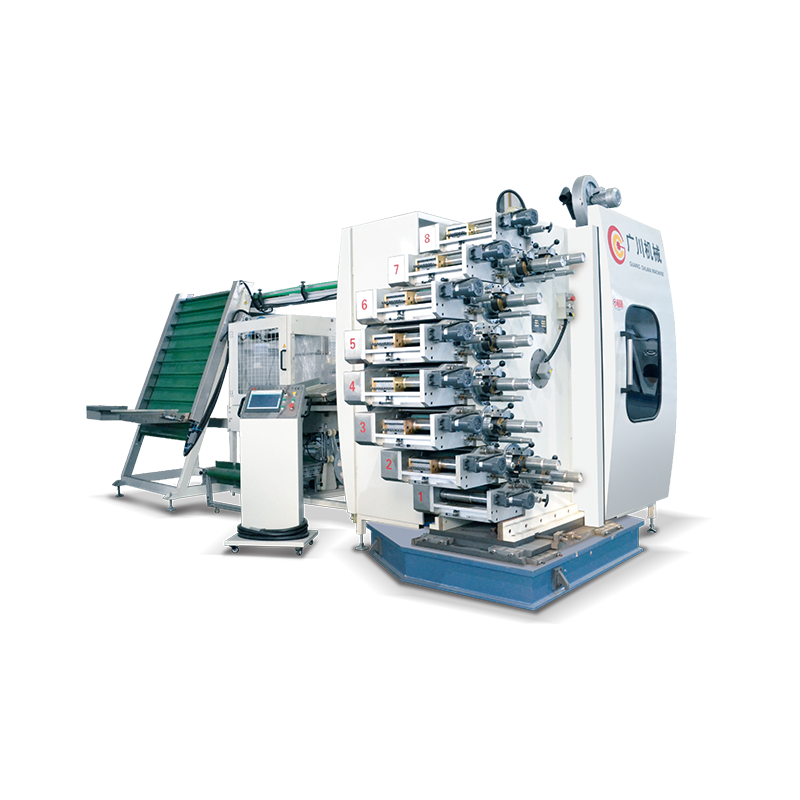
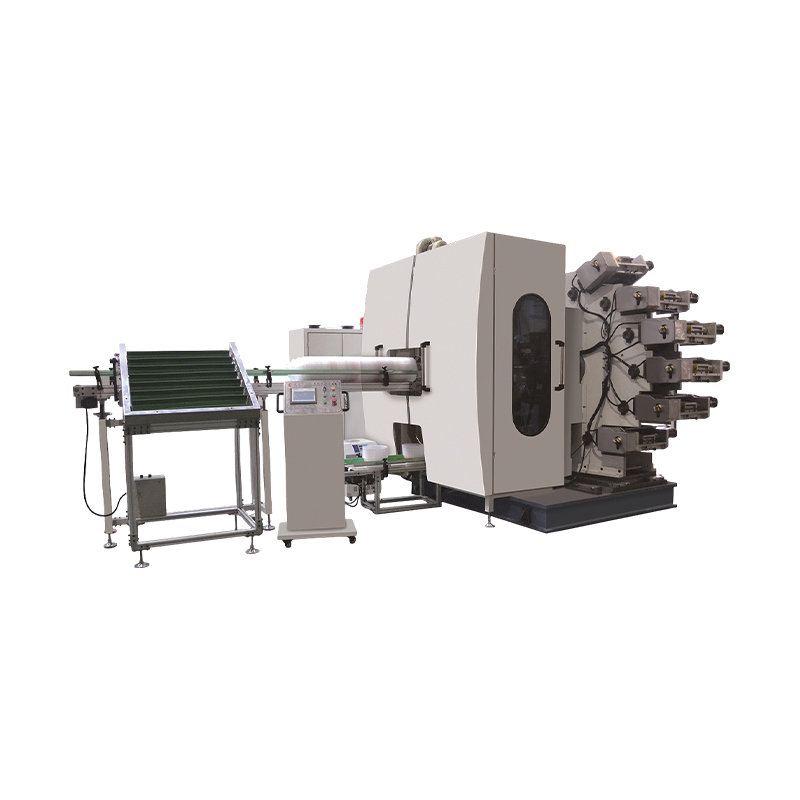
The Eight-color plastic cup printing machine is suitable for printing and packing plastic cups and bowls simultaneously.
1. Available in a variety of colors.Up to 8-color printing50–230mm, max output ...
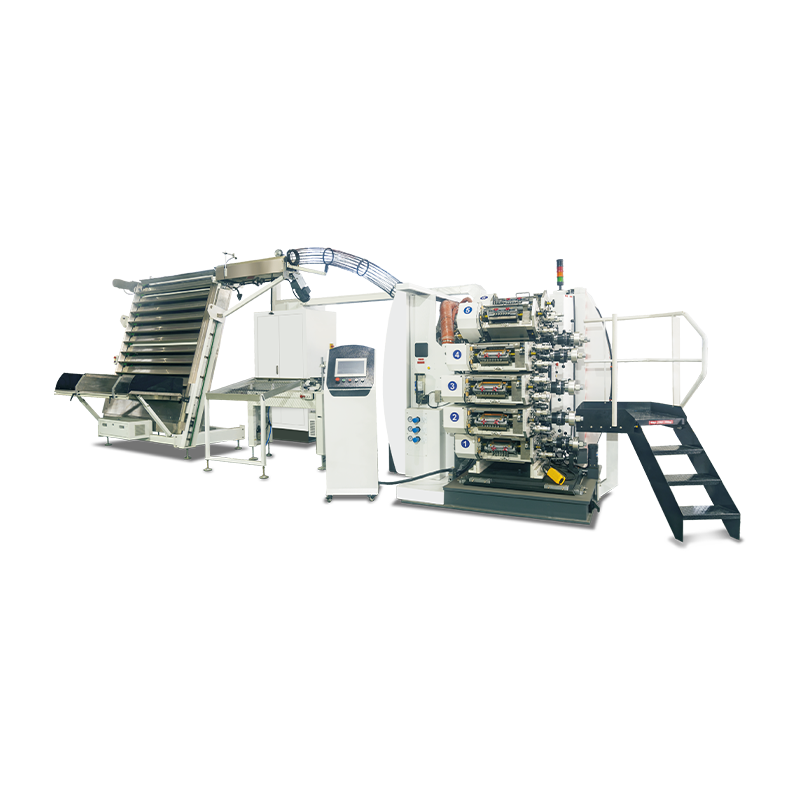
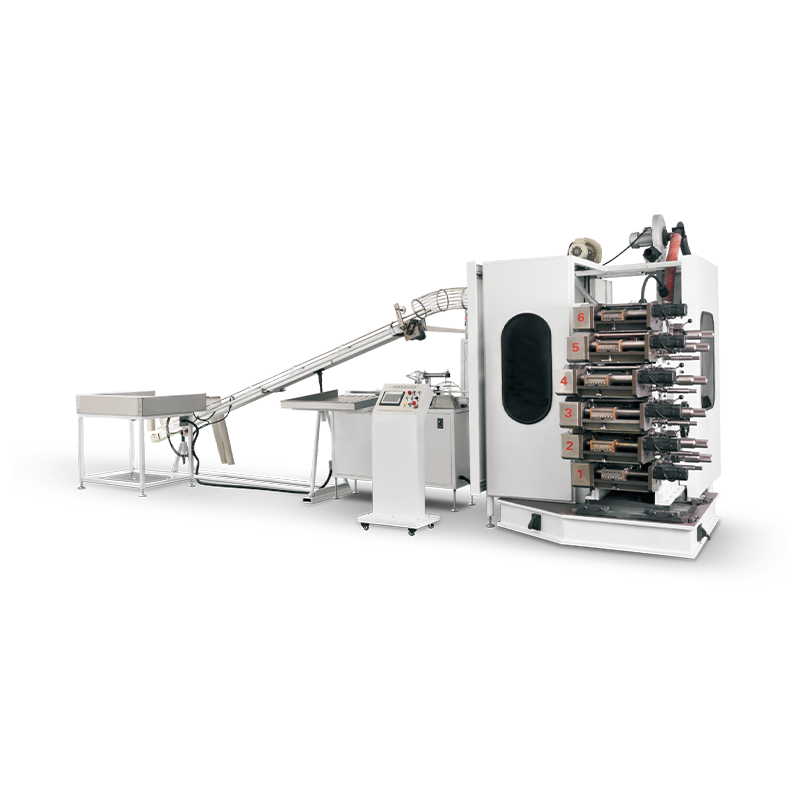
The High-speed six-color plastic cup printing machine is suitable for printing a very large range of cup sizes.
1. Servo-driven for High Printing Precision. A full servo system controls cup feeding, c...
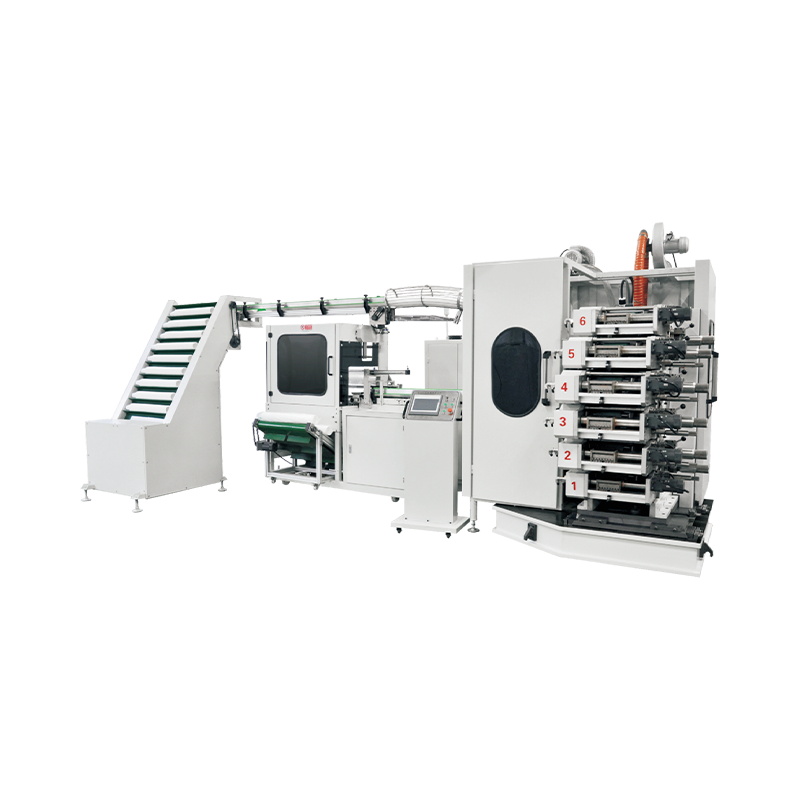
Six-color plastic cup printing machine with an automatic packaging machine adopts international advanced technology,high-precision manufacturing processes, and reasonablestructure, high quality access...
Disposable Plastic Lid Packing Machine to package disposable flat and ball plastic lids, with adjustable packing quantities to fit custom business demands.
1. Equipped with servo-precise length contro...
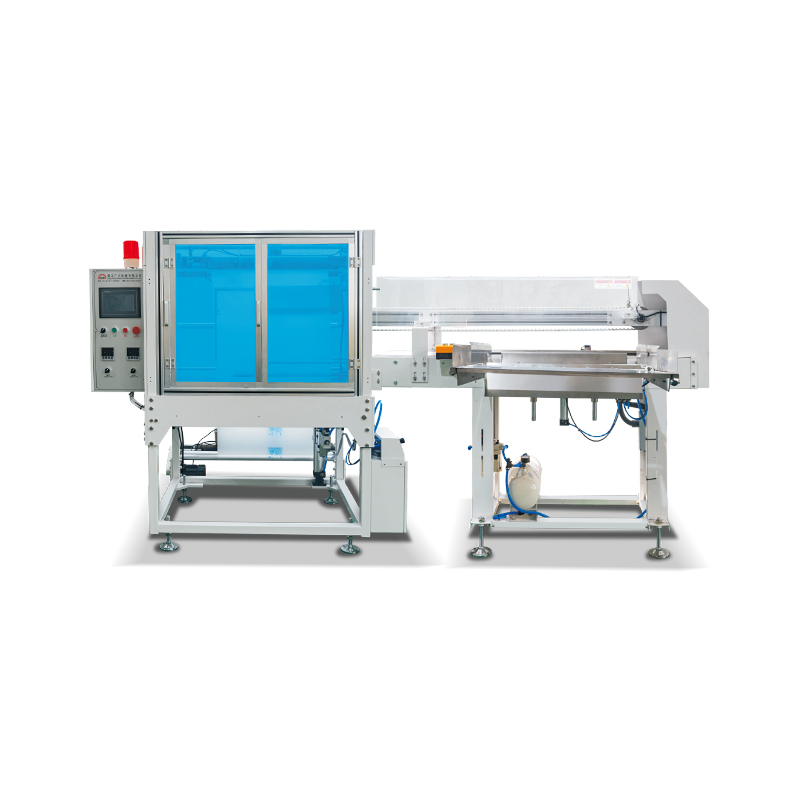
Single Lane Cup Counting & Packaging Machine is designed for automatic counting and packaging of disposable injection-molded cups and bowls, paper cups, paper bowls, and other disposable catering ...
The Vertical-feed plastic cup packaging machine is designed for plastic cups with a 50–120mm diameter, adopting PE film as the primary packing material.
1.It achieves a packing speed of 10–30 bags pe...
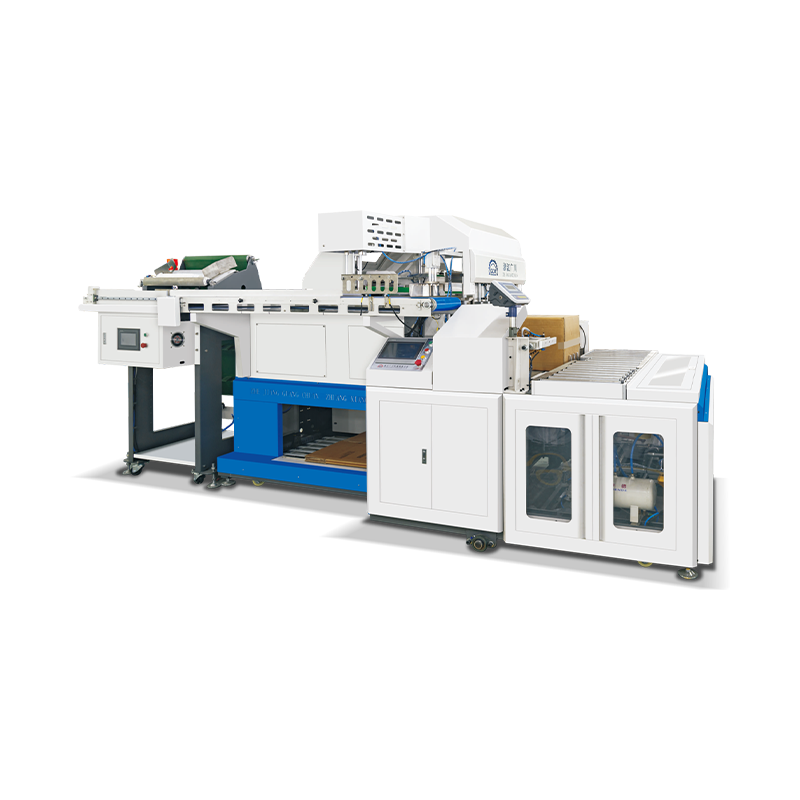
Automatic unboxing & packing machine is a highly automated packaging equipment widely used in multiple industries, mainly for automatic forming, folding, and sealing operations of cardboard boxes....
Dedicated Exclusively to Perfecting Cup/Bowl Packaging & Curved Printing Machinery.
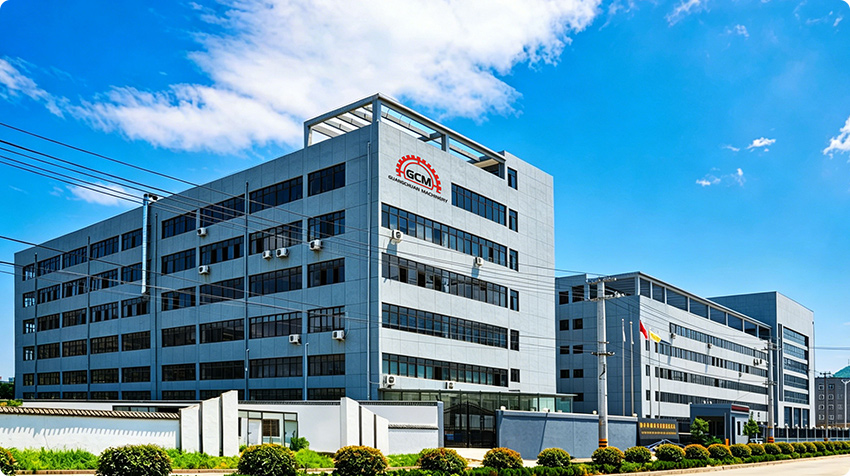
Zhejiang Guangchuan Machinery Co., Ltd.
is located in Ruian, Wenzhou. We specialize in cup/bowl packaging lines and curved printing machinery.
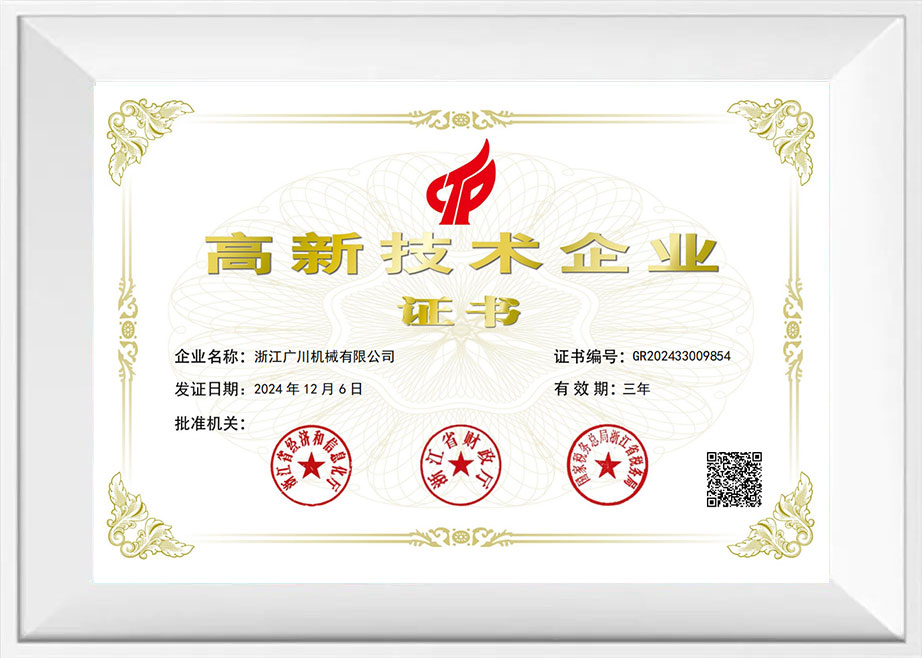
In 2021, we were awarded the title of "National High-tech Enterprise". Our products are exported worldwide and trusted for reliable quality,
stable performance, and convenient operation.
For manufacturers planning to improve production efficiency, purchasing a packaging machine is not simply a matter of selecting equipment with a suitable speed or filling capacity. The way a machine connects with existing production processes can have an equally important impact on daily operations. A Custom Automatic Packing Machine should work smoothly with upstream processing equipment and downstream labeling, inspection, and carton packing systems. Without proper integration, even a capable machine may create production bottlenecks instead of improving workflow.
How Can Poor Equipment Integration Affect Production?
When packaging equipment operates separately from the rest of the production line, operators may need to transfer products manually or frequently adjust production speed. These extra steps can increase labor requirements and make production scheduling more difficult.
For example, if a packaging machine cannot receive products at a consistent rate from the processing section, materials may accumulate before packaging or leave the machine underutilized. Such interruptions can affect overall output and make it harder to maintain a stable production rhythm.
Why Should Buyers Evaluate the Entire Production Line?
A packaging machine should be selected according to the requirements of the complete production process. Buyers need to consider how products move from processing and feeding to filling, sealing, labeling, and final packaging.
The dimensions of the production area, conveyor direction, product transfer method, and connection points should also be reviewed before purchasing. Evaluating these details early can reduce installation difficulties and avoid unnecessary modifications after delivery.
What Equipment Compatibility Issues Should Be Checked?
Different production lines may use different conveyor systems, control interfaces, and product feeding methods. If the new packaging machine is not compatible with existing equipment, additional components or adjustments may be required.
Buyers should confirm key details such as product dimensions, feeding methods, packaging materials, electrical requirements, and communication interfaces. For projects involving multiple machines, it is also useful to clarify which equipment controls the production sequence and how operating signals are exchanged.
Can Automation Improve Coordination Between Production Stages?
Proper automation can help coordinate product feeding, packaging, and material transfer. When equipment operates according to a consistent production sequence, manufacturers can reduce unnecessary manual handling and improve workflow visibility.
However, automation should match actual production requirements. A complex system may increase investment and maintenance demands if the production process does not need every function. Buyers should focus on practical integration needs rather than selecting features that add little operational value.
Which Customization Details Should Manufacturers Discuss?
Before placing an order, buyers should provide manufacturers with information about the existing production line. Useful details include equipment layout, product specifications, target packaging format, required output, and available installation space.
Based on these requirements, manufacturers can assess suitable machine configurations and identify potential connection issues. Customization may involve conveyor dimensions, feeding arrangements, machine structure, or control coordination, depending on the project.
How Can Buyers Reduce Installation and Commissioning Risks?
Installation planning should begin before the machine is manufactured. Buyers can share layout drawings, equipment photographs, and technical requirements to help suppliers understand the working environment.
It is also important to clarify installation responsibilities, operator training, spare parts, and after-sales technical support. A clear commissioning plan helps both parties prepare for equipment setup and production testing, reducing avoidable delays when the machine arrives.
Build a More Connected Packaging Process
A well-selected packaging machine should support the entire production workflow rather than operate as an isolated piece of equipment. By checking compatibility, production layout, control requirements, and future expansion plans, manufacturers can make more informed purchasing decisions.
Working with an experienced supplier of Custom Automatic Packing Machine solutions also helps buyers evaluate configuration options and develop equipment that fits their actual production environment.
Different products require different packaging methods. Powdered materials, granules, liquids, solid products, and fragile items each present specific challenges during feeding, measuring, filling, and sealing. For manufacturers handling multiple product categories, choosing unsuitable equipment may result in inconsistent packaging, product spillage, or unnecessary production adjustments. A Custom Automatic Packing Machine provides an opportunity to match equipment configurations with actual product characteristics and packaging requirements. Understanding these differences helps purchasing teams select machinery that supports stable production and consistent finished packages.
Why Do Product Characteristics Matter in Machine Selection?
A packaging machine should be designed around the physical properties of the product it handles. Powdered materials may create dust during filling, while liquid products require appropriate filling and sealing arrangements. Granular products need controlled feeding, and fragile items require careful handling to reduce damage.
Using the same equipment configuration for different product types may lead to operational difficulties. Before selecting a machine, manufacturers should evaluate product size, weight, flow characteristics, viscosity, and sensitivity to handling.
These details help equipment suppliers determine suitable feeding mechanisms, measuring systems, and packaging structures.
How Can Different Feeding Systems Improve Packaging Accuracy?
The feeding system directly affects how products enter individual packages. An unsuitable feeding method may cause uneven filling, material accumulation, or inconsistent package weights.
Depending on the application, manufacturers may consider different configurations:
Auger feeding for suitable powdered materials.
Volumetric or weighing systems for granular products.
Liquid filling mechanisms for products with different flow characteristics.
Conveyor-based feeding for selected solid products.
The final configuration should be determined through product testing and technical evaluation. Buyers should also clarify the required filling range and acceptable accuracy before confirming an equipment order.
What Packaging Challenges Do Fragile Products Present?
Products such as biscuits, confectionery, and certain consumer goods may be sensitive to excessive pressure or rough handling during packaging.
In these applications, equipment design should consider product transfer methods, feeding speed, and the arrangement of mechanical components. Reducing unnecessary drops and sudden movements can help limit product damage.
Manufacturers should review the complete packaging process rather than focusing only on the filling stage. Product samples and packaging tests can help identify potential handling problems before mass production.
Can Customized Sealing Systems Handle Different Packaging Materials?
Packaging materials vary in thickness, structure, and heat-sealing characteristics. These differences influence the temperature, pressure, and sealing time required during production.
A machine intended for one packaging film may need adjustments when working with another material. Poorly matched sealing conditions can result in incomplete seals, wrinkles, or damaged packaging.
For this reason, buyers should provide film samples and package specifications during the equipment evaluation stage. Manufacturers can then assess material compatibility and recommend appropriate sealing configurations.
What Should Overseas Buyers Include in Customization Requests?
Clear technical communication helps reduce misunderstandings during equipment development. When requesting a quotation, buyers should provide:
Product samples or detailed product descriptions.
Required package dimensions and packaging formats.
Filling weight or volume specifications.
Packaging material information.
Expected production capacity and factory conditions.
These details allow manufacturers to evaluate machine structure, operating requirements, and customization feasibility more accurately.
How Does Manufacturer Support Affect Equipment Performance?
Equipment procurement does not end when a machine leaves the factory. Installation, commissioning, operator training, and technical support all influence how effectively the equipment performs in daily production.
As a manufacturer, we consider application evaluation an important part of the customization process. Reviewing product characteristics, packaging samples, and production requirements helps establish a suitable machine configuration. Factory testing and clear operating documentation also help customers prepare for equipment installation and operation.
Are Your Packaging Machines Suitable for Your Products?
Choosing packaging equipment requires a clear understanding of product characteristics, feeding methods, sealing requirements, and production conditions. A machine that matches these factors can help manufacturers maintain packaging consistency and reduce avoidable operational difficulties.
When sourcing a Custom Automatic Packing Machine, overseas buyers should look beyond standard machine functions and evaluate whether the manufacturer can adapt equipment to their specific products and packaging materials. Working with a manufacturer that provides practical customization and technical support can help businesses develop packaging solutions suited to their production processes and long-term requirements.
Manufacturers are facing growing pressure to manage different product formats, shorter production runs, and changing customer expectations without increasing operational complexity. For food processors, consumer goods manufacturers, and industrial suppliers, packaging efficiency is no longer determined by output speed alone. Equipment adaptability, changeover time, labor requirements, and packaging consistency all influence production performance. A Custom Automatic Packing Machine can help businesses address these challenges through equipment configurations designed around specific products, packaging materials, and production workflows. Understanding which features matter most can help purchasing teams make better equipment investment decisions.
Why Is Production Flexibility Becoming a Purchasing Priority?
Product variety is increasing across many manufacturing sectors. A single production facility may need to package products in different sizes, weights, or packaging formats to serve multiple customer groups.
Traditional equipment designed for one fixed specification may become less practical when production requirements change frequently. Replacing or adjusting machinery for every new product can interrupt schedules and increase operating costs.
Manufacturers should therefore consider equipment that supports adjustable settings, interchangeable components, and suitable format configurations. Before purchasing, production teams should identify their current product range and expected changes in packaging requirements. This helps ensure that the selected machine can support actual manufacturing needs rather than only one existing product.
Can Faster Changeovers Improve Overall Production Efficiency?
Frequent product changes can create hidden losses through equipment adjustments, testing, and operator intervention. Even when a packaging machine operates efficiently during production, lengthy changeovers may reduce the available manufacturing time.
A practical machine configuration should make routine adjustments straightforward. Depending on the application, useful features may include:
Adjustable filling or dosing parameters for different product specifications.
Changeable forming components for different bag or package dimensions.
Accessible operating controls for parameter adjustments.
Clearly defined changeover procedures to reduce setup errors.
As manufacturers, we recommend evaluating changeover requirements during the equipment selection stage. Buyers should also ask suppliers to demonstrate how the machine handles different product specifications before confirming an order.
How Can Automation Address Labor and Operating Challenges?
Labor availability remains an important consideration for packaging operations. Repetitive activities such as product feeding, weighing, filling, sealing, and packaging transfer can require considerable manual involvement when processes are not properly integrated.
Automatic packaging systems can coordinate several operations within one production workflow, depending on the machine configuration. This may reduce repetitive handling and allow operators to focus on equipment supervision, quality checks, and material replenishment.
However, automation should match the actual production process. An overly complicated system may introduce unnecessary maintenance and training requirements. Buyers should assess operating procedures, control interfaces, safety features, and maintenance accessibility when comparing different equipment solutions.
What Role Does Packaging Accuracy Play in Cost Control?
Packaging errors can result in product waste, rework, and customer complaints. Inaccurate filling, incomplete sealing, or inconsistent package dimensions may affect both product presentation and delivery quality.
For this reason, procurement teams should look beyond advertised production speed. They should understand how the machine controls key packaging parameters and what inspection options are available.
Depending on the application, relevant considerations include weighing accuracy, sealing temperature control, package positioning, and sensor-based detection. Product characteristics and packaging materials should also be tested under actual operating conditions.
Manufacturers should establish clear acceptance criteria during sample testing to verify that the equipment meets the intended production requirements.
Can Customized Machines Support Different Packaging Materials?
Packaging material requirements are changing as businesses explore lightweight structures, recyclable materials, and alternative package designs. These changes can create new technical demands for existing production lines.
Different films and packaging structures may require adjustments to sealing temperature, pressure, forming methods, or feeding mechanisms. A machine that works with one material should not automatically be assumed to perform equally well with another.
When discussing customization, buyers should provide material samples, package drawings, product dimensions, and target operating conditions. This allows equipment manufacturers to evaluate compatibility and identify necessary machine configurations before production begins.
What Should Buyers Evaluate Before Investing in Packaging Equipment?
Selecting machinery involves balancing initial investment with long-term operating requirements. A competitive quotation alone does not establish whether a machine is suitable for a particular production environment.
Before placing an order, purchasing teams should review several areas:
Production capacity: Confirm that the expected output matches actual manufacturing demand.
Product compatibility: Check whether the machine can handle the intended product characteristics.
Packaging specifications: Verify package dimensions, material types, and sealing requirements.
Maintenance access: Understand routine maintenance procedures and replacement part availability.
Technical support: Clarify installation, operator training, and after-sales service arrangements.
These checks help businesses compare suppliers more effectively and reduce uncertainty during equipment installation and commissioning.
How Can Manufacturers Turn Custom Requirements into Practical Solutions?
Successful equipment customization starts with understanding the customer's production process. Product characteristics, factory layout, packaging materials, output expectations, and available labor all influence machine design.
As a manufacturer, we believe equipment development should involve detailed technical communication before production. Reviewing product samples, packaging specifications, and workflow requirements helps establish a suitable configuration. Factory testing and operational verification can then provide a clearer understanding of machine performance before delivery.
For overseas buyers, communication should also cover installation conditions, electrical requirements, operating instructions, and spare parts planning. These details support a smoother transition from equipment procurement to daily production.
Is Your Packaging Line Ready for Changing Production Requirements?
Modern packaging operations require equipment that balances flexibility, accuracy, operating efficiency, and long-term maintainability. Businesses that evaluate these factors together can make more informed decisions when upgrading existing production lines or planning new facilities.
When sourcing a Custom Automatic Packing Machine, overseas manufacturers, distributors, and procurement teams should look for more than standard automation functions. The ability to adapt machine configurations to specific products, packaging materials, and production workflows is equally important. Working with an experienced equipment manufacturer can help businesses develop practical packaging solutions that support changing market requirements and more consistent production operations.
Manufacturers are increasingly expected to handle different product sizes, packaging formats, and order quantities without creating unnecessary interruptions on the production floor. For companies managing multiple product lines, changing from one packaging specification to another can involve more than replacing a roll of film or adjusting a few settings. Feeding systems, sealing positions, filling accuracy, and conveyor arrangements may all need attention. A properly configured Custom Automatic Packing Machine can help address these challenges by matching the equipment design to the products, packaging materials, and production workflow.
Packaging Variety Creates New Production Challenges
A factory may need to package several product sizes or use different bag styles to serve different markets. While this flexibility supports a wider product range, it can also make production planning more complicated.
For example, changing package dimensions may affect the forming structure, film positioning, sealing area, and cutting position. If the machine is designed around only one fixed specification, operators may need to spend considerable time making adjustments or preparing additional components.
Before purchasing equipment, manufacturers should identify the packaging formats they expect to use regularly. This allows the machine configuration to reflect actual production requirements rather than relying on assumptions about future flexibility.
Machine Configuration Should Follow the Product
Not every product behaves in the same way during packaging. Powders, granules, liquids, solid items, and irregularly shaped products may require different feeding and handling arrangements.
A suitable machine design should consider:
Product dimensions, weight, and physical characteristics
Required packaging material and bag format
Filling or feeding method
Sealing requirements
Desired production workflow
Available factory floor space
These details influence equipment selection and customization. When manufacturers provide accurate product samples and packaging specifications during the early design stage, equipment suppliers can evaluate the required structure more effectively.
Faster Changeovers Depend on Practical Adjustments
Reducing changeover time is not simply a matter of installing a faster motor or adding more automation. Operators also need convenient access to adjustment points and a clear understanding of which components must be changed between production runs.
Depending on the machine design, useful features may include adjustable guides, accessible film paths, clearly identified settings, and replaceable format parts. Recipe storage and digital parameter control may also be available on selected configurations, helping operators retrieve settings for recurring products.
Buyers should confirm which adjustment functions are included and whether additional tooling is required for each packaging format.
Packaging Material Compatibility Deserves Early Attention
Different films and packaging materials can behave differently during forming and sealing. Material thickness, surface characteristics, flexibility, and heat-sealing properties may influence the final package appearance and sealing performance.
A machine that works well with one material should not automatically be assumed to handle every alternative. During equipment development, manufacturers should evaluate the intended packaging materials through practical trials where possible.
This helps identify potential problems such as uneven film feeding, wrinkles, weak seals, or inconsistent package dimensions before the equipment enters regular production.
Automation Must Work With the Existing Production Line
A packing machine rarely operates in isolation. It may need to receive products from an upstream processing machine and transfer finished packages to conveyors, checkweighers, labeling equipment, or case packing systems.
For this reason, buyers should review the complete production layout before confirming a machine configuration. Important considerations include conveyor height, product transfer direction, available installation space, electrical requirements, and communication between connected equipment.
A well-planned integration approach can reduce unnecessary manual handling and help the packaging process fit more naturally into the existing factory workflow.
Operator Access and Maintenance Affect Daily Performance
Production efficiency also depends on how easily operators can inspect, clean, and maintain the equipment. Difficult-to-reach components may increase routine service time, while unclear control interfaces can make product changeovers more complicated.
When evaluating a custom packing machine, buyers should consider access to sealing assemblies, film-feeding components, sensors, and other frequently inspected areas. They should also ask about spare parts, maintenance instructions, and technical support.
These practical details matter because equipment performance needs to remain manageable throughout its working life, not just during initial installation.
Build the Machine Around Long-Term Production Needs
Selecting packaging equipment requires balancing product requirements, packaging flexibility, operating efficiency, and future production plans. As a Custom Automatic Packing Machine manufacturer, we believe customization should begin with a detailed understanding of the customer's products, packaging formats, changeover frequency, and factory layout. By discussing these factors before equipment design and production, overseas buyers can develop a more suitable packaging solution that supports different product specifications while keeping daily operation and maintenance practical.
Plastic cup printing requirements can vary considerably between customers. One order may feature a simple logo, while another may require several colors, detailed graphics, or a different cup size. For packaging manufacturers and printing businesses, managing these changes without creating unnecessary downtime is an important production challenge. Equipment selection should therefore consider not only printing performance but also how efficiently operators can prepare a new job, confirm the first samples, and maintain clear production records.
Prepare Artwork Before Changing the Job
Artwork preparation is an important first step in a successful print run. Incorrect dimensions, unsuitable placement, or incomplete files can cause delays even when the machine is operating properly.
Before production, buyers should confirm the printable area, cup shape, design orientation, color requirements, and any restrictions associated with the selected printing process. Manufacturers can review these details with the customer to identify potential issues before the job reaches the production floor.
A consistent artwork approval procedure also helps prevent outdated designs from being used after a revision. Each approved version should be clearly identified so that operators can connect the correct file with the corresponding order.
Organize Changeover Tasks in Advance
Switching between cup sizes or printing designs may involve changing fixtures, adjusting positioning, preparing ink, and confirming operating settings. If these tasks are handled without a defined sequence, operators may spend unnecessary time searching for components or repeating adjustments.
A practical changeover plan identifies the tools, materials, and settings required for the next order. Where the machine design supports interchangeable fixtures or tooling, manufacturers should explain the compatible configurations and the steps needed to change them.
For a Plastic Cup Printing Machine Manufacturer, clear setup instructions can make equipment easier to integrate into different production schedules. Buyers should still confirm the actual changeover procedure through sample evaluation rather than assuming every machine can accommodate every cup format.
Approve Samples Before Full Production
The first printed cups provide an opportunity to verify the relationship between artwork, cup geometry, ink, and machine settings. Checking samples before releasing a full batch can help identify issues while adjustments are still manageable.
Sample approval should cover the characteristics that matter to the order, including:
Artwork position and orientation
Color appearance and coverage
Print clarity under suitable inspection conditions
Adhesion or drying performance where relevant
Consistency between representative samples
The acceptance criteria should be agreed upon before production begins. This gives operators a clear reference when checking subsequent output and helps avoid subjective decisions about whether a print is acceptable.
Manage Multiple Designs Without Confusion
Orders containing several designs require accurate identification throughout production. Similar cup sizes may use different artwork, colors, or packaging, making it important to separate materials and records by job.
Manufacturers can support this process through clear work orders, labeled ink preparations where applicable, and documented machine settings. Operators should verify the order identity before loading materials and again when completing the run.
These controls help reduce the chance of mixing designs or packing the wrong version. They also make it easier to trace a specific production batch if a customer raises a question after delivery.
Match Production Planning to Order Size
Long production runs and frequent small orders create different demands. A long run may justify more extensive initial setup, while a short run requires careful attention to preparation time, material use, and the effort involved in switching jobs.
Buyers should discuss their expected order pattern when comparing equipment. Relevant considerations include the range of cup sizes, the number of designs produced regularly, operator experience, and the time required for setup and cleaning.
Manufacturers can use this information to recommend a suitable machine configuration and explain any limitations that may affect the customer’s planned workflow.
Keep Quality Checks Consistent Across Jobs
Each new design or cup specification introduces conditions that may differ from the previous run. Quality checks should therefore be repeated after relevant changes instead of assuming that settings from an earlier job remain suitable.
Operators can compare the first approved samples with prints produced during the run and record adjustments when necessary. Consistent inspection procedures help identify drift before it affects a larger quantity of cups.
Build Flexibility Into Equipment Selection
Flexible production depends on coordinated planning, clear setup procedures, and reliable sample approval as much as on machine capability. When evaluating a plastic cup printing system, buyers should consider how the equipment handles their real mix of cup sizes, artwork changes, and order volumes. Manufacturers that understand these requirements can help customers choose a configuration suited to their production workflow and manage customized orders with greater clarity.
Printed plastic cups are widely used for takeaway drinks, food service, promotional campaigns, and branded packaging. As buyers seek more flexible production options, printing equipment needs to handle design changes while maintaining consistent results across batches. The challenge is not simply transferring a logo or pattern onto a cup. Cup geometry, ink compatibility, registration accuracy, drying conditions, and machine setup all influence the finished appearance. Understanding these factors helps manufacturers and buyers select equipment that matches their production requirements instead of relying on speed specifications alone.
Start With Cup Shape and Material
Plastic cups vary in diameter, wall thickness, height, taper, and surface characteristics. These differences affect how a cup is positioned and supported during printing. A setup that works well for one cup specification may require adjustment when the production line changes to another size or material.
Before selecting a machine, buyers should identify the cup materials and dimensions they expect to process. They should also confirm whether the equipment is intended for straight-wall cups, tapered cups, or a defined range of shapes. As a Plastic Cup Printing Machine Manufacturer, understanding these requirements at the quotation stage helps establish realistic expectations for tooling, changeover, and print quality.
Control Artwork Registration
Misaligned logos, uneven spacing, and inconsistent positioning can make a finished cup look unprofessional, even when the ink coverage is acceptable. Registration accuracy depends on the machine’s positioning system, fixture design, cup stability, and setup procedure.
Manufacturers should evaluate how securely cups are held during printing and how adjustments are made when artwork changes. Buyers should request sample prints using their actual artwork where possible, paying attention to logo placement, repeatability, and alignment around the cup surface.
Artwork files should also be prepared with the intended printing area and cup geometry in mind. Clear communication between the buyer and equipment supplier can prevent avoidable revisions during commissioning.
Match Ink and Printing Conditions
Ink selection should correspond to the plastic substrate, printing method, curing or drying process, and intended end use. A formulation suitable for one material may not provide the same adhesion or appearance on another. Surface contamination and inadequate drying can also affect the finished print.
During equipment evaluation, buyers should clarify which ink systems and plastic materials are supported. Manufacturers can then assess the required printing and drying arrangements rather than assuming that one configuration will suit every application.
Practical checks may include:
Print adhesion under the specified test method
Color consistency across repeated samples
Drying or curing performance under defined conditions
Resistance to handling appropriate to the intended application
</
In plastic cup production, print quality depends not only on machine configuration but also on the condition of components throughout daily operation. Ink residue, dust accumulation, worn fixtures, and inconsistent adjustments can gradually affect printing results. When these issues are discovered only after defects appear, production teams may need to stop the line, inspect affected cups, and repeat setup procedures. A planned maintenance routine helps manufacturers identify potential problems earlier and maintain more predictable production conditions.
Keep Printing Components Clean
Ink residue and accumulated debris can interfere with contact surfaces, cup positioning, and the movement of printing components. Over time, these conditions may contribute to uneven coverage, unwanted marks, or inconsistent artwork placement.
Cleaning procedures should reflect the machine’s printing method, ink system, and component materials. Operators should use suitable cleaning materials and follow the equipment instructions instead of applying solvents indiscriminately. Sensitive parts should be handled carefully to avoid damaging surfaces or changing component alignment.
For a Plastic Cup Printing Machine Manufacturer, making cleaning access practical is an important design consideration. Clearly identified cleaning points and straightforward maintenance instructions can help operators complete routine tasks without unnecessary disassembly.
Inspect Fixtures and Positioning Components
Cup fixtures and positioning mechanisms help keep each cup in the intended location during printing. If a fixture becomes loose, worn, or contaminated, the cup may not remain properly aligned, affecting print registration and repeatability.
Operators should inspect these components at suitable intervals and after adjustments or tooling changes. Particular attention should be given to secure mounting, visible wear, and the fit between the cup and its support.
Manufacturers can provide inspection guidance that identifies the parts requiring regular attention. When replacement components are needed, clear part identification helps maintenance teams obtain the correct items and reduce the risk of incompatible substitutions.
Monitor Ink Delivery and Printing Conditions
Changes in ink delivery can affect color coverage and the appearance of printed graphics. Depending on the machine design, relevant components may include ink containers, transfer mechanisms, printing surfaces, and associated adjustments.
Maintenance teams should look for residue buildup, abnormal movement, leaks where applicable, and changes in print appearance. If defects emerge, operators should check the process systematically instead of changing several settings at once.
Recording the conditions associated with a defect can help identify whether the issue relates to ink preparation, component condition, machine adjustment, or the cup material. This approach makes troubleshooting more consistent and reduces unnecessary trial and error.
Check Drying Performance and Handling
Printing is not complete when the image has been transferred to the cup. The ink must reach the required condition before the product moves through subsequent handling and packing steps. Inadequate drying may lead to smearing, transfer marks, or damage during stacking.
The appropriate drying conditions depend on the ink system, substrate, and machine configuration. Operators should follow the specified process settings and check representative samples before increasing production volume.
Manufacturers should also explain which operating conditions need to be monitored and how changes should be handled. Clear procedures help production teams distinguish drying-related defects from problems originating earlier in the printing process.
Create a Practical Maintenance Schedule
A useful maintenance plan separates routine operator checks from tasks that require trained service personnel. The schedule should reflect operating frequency, environmental conditions, and the machine’s actual design.
Common checks may include:
Removing permitted ink residue and surface contamination
Inspecting fixtures, fasteners, and moving components
Checking relevant electrical and pneumatic connections according to the manual
Reviewing print samples for changes in alignment or coverage
Recording maintenance work and replaced components
Any adjustment or repair should follow the manufacturer’s safety instructions, with the machine placed in the required safe condition before work begins.
Keep Maintenance Records Useful
Maintenance records are most valuable when they help teams make decisions. Dates, observed symptoms, completed work, and replacement parts can reveal recurring issues and help managers plan service before a problem disrupts production.
For manufacturers, feedback from customers can also highlight areas where access, instructions, or component identification could be improved. Product development can then address practical maintenance challenges rather than focusing only on initial machine performance.
Support Consistent Production Over Time
Preventive maintenance cannot eliminate every production issue, but it can help reduce avoidable interruptions and make equipment condition easier to manage. Buyers evaluating a plastic cup printing system should consider cleaning access, replacement-part availability, inspection procedures, and maintenance documentation alongside printing capability. A machine designed with practical servicing in mind gives production teams a clearer path to maintaining print consistency as workloads and order requirements change.
Plastic cup producers often need to manage different customer designs, cup dimensions, print colors, and order quantities within the same production schedule. A machine configured for one standard product may not be equally convenient when the next order requires a different cup size or artwork layout. For manufacturers serving multiple markets, the challenge is to balance production efficiency with print quality while avoiding unnecessary setup work and material waste. Choosing equipment that fits the actual order pattern can make production planning more manageable.
Evaluate the Variety of Cup Specifications
Before purchasing printing equipment, manufacturers should review the range of cups they expect to produce. Diameter, height, taper, material, and printable surface area can all affect machine compatibility. A business handling several cup sizes may need a different configuration from one producing a single specification in long runs.
A Plastic Cup Printing Machine Manufacturer can assess these requirements using cup samples, drawings, and artwork files. Buyers should identify both their current products and any realistic plans to introduce additional sizes or designs.
This information helps determine which adjustments may be required between jobs and whether the proposed machine can accommodate the intended product range without extensive modification.
Make Changeover Procedures Easier to Repeat
Changing from one cup specification to another may involve adjustments to fixtures, feeding components, printing positions, or machine parameters. If these tasks depend entirely on operator experience, setup results may vary between shifts.
A more repeatable changeover process begins with clearly identified adjustment points and documented settings for each approved product. Where the machine design allows it, accessible adjustment mechanisms and organized tooling can make preparation easier.
Manufacturers should demonstrate the changeover process using representative cup sizes rather than describing flexibility only in general terms. Buyers can observe which components need to be changed, which settings require recalibration, and how the first acceptable samples are verified.
Prepare Artwork Before the Production Run
Artwork preparation can influence both setup time and print accuracy. Incorrect dimensions, unsuitable positioning, or incomplete design files may create problems even when the machine itself is operating correctly.
Before production, buyers should provide the final artwork, confirm the intended print area, and verify the orientation of logos, text, and graphics. The manufacturer can then review whether the design suits the cup geometry and the machine's printing method.
For repeat orders, retaining approved artwork files and sample references helps prevent avoidable differences between production runs. Changes to a design should be reviewed before printing begins, rather than introduced during an active run without validation.
Balance Production Speed With Print Quality
A higher operating speed does not automatically produce a more efficient result if it leads to frequent adjustments or excessive rejected cups. The appropriate production rate depends on the machine configuration, cup material, artwork complexity, ink system, and other process conditions.
During equipment evaluation, buyers should examine both output and quality. Useful observations include print registration, color consistency, ink transfer, feeding stability, and the frequency of operator intervention.
A representative production trial provides a more realistic basis for evaluating performance than an isolated speed claim. It also helps identify whether the proposed configuration suits the buyer's normal order mix.
Reduce Waste During Setup and Product Changes
Setup waste can occur when operators need several attempts to achieve the required print position or color appearance. Frequent product changes may increase this challenge, particularly when each job uses different artwork or cup dimensions.
Manufacturers can help reduce unnecessary trials through clear setup instructions, approved reference samples, and a defined first-piece inspection process. Operators should verify cup positioning and print quality before allowing the job to continue at its intended production rate.
Buyers should also clarify how much setup material may be needed during a typical changeover and whether machine settings can be recorded for future use. Actual waste levels depend on the process and should be evaluated during testing rather than assumed from the machine design alone.
Consider Operator Access and Daily Maintenance
Frequent order changes make practical machine access especially important. Operators need to reach adjustment points, inspect printed cups, remove residues, and complete routine cleaning without unnecessary difficulty.
When comparing equipment, buyers should review the layout of controls, access to printing components, cleaning procedures, and the maintenance tasks required between jobs. The availability of clear operating documentation can also support training when new staff join the production team.
Regular maintenance helps keep the machine in suitable operating condition, while consistent cleaning and inspection can reduce the risk of residue affecting subsequent designs.
Define Flexibility Requirements Before Ordering
Flexible production depends on a match between the machine and the manufacturer's real workload. Buyers should provide a list of cup sizes, materials, artwork types, expected order frequency, and desired production output before confirming the equipment configuration.
A Plastic Cup Printing Machine Manufacturer can use this information to recommend suitable tooling, adjustment arrangements, and testing procedures. By validating product changes, print quality, and setup requirements before delivery, buyers can make a more informed investment and prepare their production lines for changing customer orders without sacrificing consistency.
Printed plastic cups are widely used for beverages, takeaway services, promotional campaigns, and branded food packaging. For manufacturers, producing cups with clear graphics and consistent positioning can be challenging because the printing surface is curved and the cup dimensions may vary between product specifications. When colors shift, logos appear uneven, or ink adhesion is inconsistent, the result can affect product presentation and increase the need for rework. Understanding how machine setup, cup compatibility, and process control work together helps buyers make more informed equipment decisions.
Match the Machine to the Cup Design
Not every printing machine is suitable for every cup shape or size. Cup diameter, height, taper, material, and available printing area all influence how the cup should be positioned and rotated during printing.
Before selecting equipment, buyers should prepare the dimensions of their target cups and clarify whether production will involve one standard size or frequent changes between different specifications. The required print area and artwork complexity should also be considered.
A Plastic Cup Printing Machine Manufacturer can use this information to evaluate the appropriate machine configuration, feeding arrangement, and printing method. Confirming compatibility before purchase helps avoid costly adjustments after installation.
Control Print Position on Curved Surfaces
Unlike flat packaging, a plastic cup presents a curved surface that can make artwork alignment more demanding. Incorrect cup positioning, inconsistent rotation, or unsuitable setup parameters may cause logos and text to appear tilted, stretched, or displaced.
Operators should establish clear reference points for cup loading and artwork placement. During setup, sample cups can be printed and checked from multiple angles to confirm that the design sits within the intended area.
For production involving several cup sizes, each specification should have its own verified setup parameters where necessary. Documenting approved settings helps reduce repeated trial and adjustment when the same product returns to the production schedule.
Improve Color and Image Consistency
Color variation may arise from differences in ink preparation, printing conditions, surface characteristics, or machine settings. Small changes can become noticeable when a large batch of cups is displayed together.
Manufacturers should define the required colors and artwork references before production begins. Buyers can provide approved artwork files, color references, and sample expectations to establish a common standard.
Useful quality checks include:
Comparing printed colors with the approved reference
Inspecting text and graphic edges for smearing or incomplete transfer
Checking whether the design remains correctly positioned
Looking for scratches, ink spots, or unintended marks
Reviewing samples from different stages of the production run
The exact inspection method depends on the printing technology, ink system, and product requirements.
Confirm Ink Adhesion and Material Compatibility
A design may look correct immediately after printing but still fail to meet expectations if the ink does not bond adequately with the cup surface. Plastic materials differ in their surface characteristics, and ink performance depends on compatibility with the substrate and the printing process.
Before mass production, buyers and manufacturers should confirm the cup material and the specified ink system. Where required, surface treatment and curing conditions should be evaluated according to the equipment and ink manufacturer's instructions.
A practical sample test can help identify adhesion problems before a full production run. The acceptance method should reflect the cup's intended handling and use, rather than relying on visual inspection alone.
Make Changeovers Easier to Manage
Cup manufacturers may need to switch between different sizes, colors, and artwork designs. If changeovers require extensive manual adjustment, production planning becomes more complicated and the risk of setup errors may increase.
Buyers should therefore evaluate how the machine handles cup positioning, tooling changes, parameter adjustment, and access to key components. The actual changeover process should be demonstrated with representative cup specifications whenever possible.
For a production line serving multiple orders, storing approved setup records and identifying the correct tooling for each cup can help operators prepare repeat jobs more consistently. This is especially useful when designs return after an interval or when several operators share the same equipment.
Include Maintenance in Production Planning
Printing quality can change as components become dirty, worn, or incorrectly adjusted. Ink buildup, residue on contact surfaces, worn fixtures, and neglected moving parts may contribute to unstable feeding or inconsistent printing.
A practical maintenance routine should follow the machine's operating instructions and include suitable cleaning, inspection, lubrication where specified, and checks of relevant positioning components. Operators should also monitor unusual vibration, feeding interruptions, and changes in print quality.
Addressing these signs early can help prevent minor operating issues from affecting a larger batch. Maintenance access and the availability of suitable replacement parts are therefore useful considerations when comparing machines.
Evaluate the Complete Production Requirement
Choosing printing equipment involves more than comparing rated speed or the number of colors. Cup dimensions, artwork requirements, material compatibility, changeover frequency, inspection procedures, and maintenance access all affect whether a machine fits the intended production environment.
A Plastic Cup Printing Machine Manufacturer can provide a more relevant recommendation when buyers share their cup samples, drawings, printing requirements, expected output, and production plans. By validating these details before ordering, manufacturers and procurement teams can establish a clearer basis for machine selection, reduce avoidable setup problems, and work toward consistent printed results across repeat production batches.
Exhibition Date: September 22–24, 2026Exhibition: PlastEx Uzbekistan 2026Hall: Hall 2Booth: C74Venue: Central Pavilion, UzExpoCentre, Tashkent, Uzbekistan
Zhejiang Guangchuan Machinery Co., Ltd. will participate in PlastEx Uzbekistan 2026, which will be held in Tashkent, Uzbekistan, from September 22 to 24, 2026. We warmly welcome customers and industry partners from the global plastics, packaging, and printing sectors to visit us at Hall 2, Booth C74.
Founded in 2010 and located in Gexiang High-tech Park, Rui’an City, Wenzhou, Zhejiang Province, Zhejiang Guangchuan Machinery Co., Ltd. is an industrial and trading enterprise integrating R&D, production, and sales. The company specializes in the development and manufacturing of curved surface pad printing equipment and packaging machinery.
During the exhibition, Zhejiang Guangchuan Machinery will present a range of printing and packaging equipment, including:
Multi-color curved surface cup and bowl printing machines, with 4–8 color models designed for cups and bowls;
Pipe printing machines;
Cover material printing machines;
Barrel printing machines;
Plastic cup packaging machines;
Paper cup packaging machines.
With years of experience in the printing and packaging machinery industry, Zhejiang Guangchuan Machinery continues to improve its technical systems, equipment performance, and product adaptability. The company provides practical and durable machinery for different printing and packaging applications. Its products have been exported to countries and regions across the Americas, the Middle East, Southeast Asia, and other markets, receiving recognition from customers in China and overseas.
At PlastEx Uzbekistan 2026, we look forward to meeting customers and industry professionals, exchanging ideas on printing and packaging applications, and exploring equipment solutions for different production requirements.
If you are looking for printing or packaging equipment for plastic cups, paper cups, pipes, covers, barrels, and other products, we welcome you to visit our booth and discuss your requirements with our team.
See you in Tashkent from September 22 to 24, 2026!
Zhejiang Guangchuan Machinery Co., Ltd.Hall 2 | Booth C74Central Pavilion, UzExpoCentre107 Amir Timur Street, 100047, Tashkent, Uzbekistan
The first China (Ruian) International Printing & Packaging Industry Exhibition was successfully held from March 17 to 19, 2026, in Ruian, Wenzhou, Zhejiang Province. As one of China's major production bases for printing and packaging machinery, Ruian has established a complete industry chain covering pre-press, in-press, and post-press processes, characterized by high industrial agglomeration, strong supporting capabilities, and broad market coverage. The exhibition gathered leading enterprises from Ruian, quality companies from the Yangtze River Delta region, and numerous international brands, attracting buyers from over 20 countries and regions including France, Russia, India, and Saudi Arabia.
At the exhibition, Reginald, a buyer from South Africa, expressed his excitement: "I have been searching for this kind of production equipment across China since last year, and I am so surprised to see it at the exhibition today!" Having cooperated with Ruian companies for 7 years, he runs a trading company in Yiwu covering stationery, hamburger boxes, and packaging bags. He noted that traditional plastic cup printing is costly while ordinary paper cups are prone to leakage, but the paper cup packaging equipment developed by Ruian companies precisely addresses these industry pain points, achieving both quality and efficiency. He plans to sign contracts immediately after visiting the factories. Mayad, a buyer from Saudi Arabia, came to the exhibition seeking outer packaging equipment for razor products. After comparing multiple options, he highly recognized the equipment from a Ruian company and visited the factory on the same day with a clear intention to cooperate.
A highlight of this exhibition was the "Exhibition + Factory Visit" model. Unlike traditional exhibitions where visitors could only view displays, this model leveraged Ruian's strong industrial cluster advantages to create a one-stop procurement service chain. Buyers could observe cutting-edge equipment, exchange technical solutions, and negotiate cooperation intentions at the exhibition, then conveniently visit nearby manufacturing enterprises for on-site inspections to gain firsthand insight into production processes, R&D capabilities, smart manufacturing levels, and quality control systems. Miao Hanbing, Vice President of the Ruian Council for the Promotion of International Trade, stated that the "Exhibition + Factory Visit" model effectively combined the exhibition's role in centralized display and efficient lead generation with Ruian's unique advantages of local supporting facilities and on-site factory verification, shortening the procurement chain and improving matching efficiency.
The successful hosting of this exhibition not only demonstrated the international competitiveness of Ruian's printing and packaging machinery industry but also provided overseas buyers with an efficient window to gain in-depth understanding of "Ruian Smart Manufacturing." Industry analysts noted that Ruian is continuously expanding international cooperation channels, enabling more high-end printing and packaging equipment to reach global markets.
According to the Vacuum Thermoforming Machines Market Global Forecast 2026-2032 report released by 360iResearch, the global vacuum thermoforming machines market was valued at approximately USD 713.85 million in 2025 and is projected to grow to USD 787.66 million in 2026, with a CAGR of 12.04%, potentially reaching USD 1.58 billion by 2032.
Vacuum thermoforming remains a core manufacturing process for converting thermoplastic sheets into functional, high-volume components across industries including packaging, automotive, medical, and consumer electronics. The process is favored for its low tooling costs relative to other thermoplastic processes, fast cycle times, and capacity to handle diverse sheet materials. Recent upgrades to control systems and servo-driven motion have narrowed the gap between thermoforming and more capital-intensive technologies, enabling higher tolerances, quicker changeovers, and enhanced quality assurance.
The report indicates that automation, sustainability imperatives, and evolving customer expectations are reshaping the competitive landscape of the thermoforming industry. Automation has progressed from basic material handling to closed-loop temperature control, predictive maintenance enabled by sensor arrays, and integration with enterprise resource planning systems, enabling higher throughput with tighter tolerances while reducing scrap and unplanned downtime. Sustainability considerations are driving material choices and end-of-life planning, with recyclable grades and mono-material designs increasingly preferred in packaging and consumer products to meet regulatory pressures and retailer requirements. The medical and automotive segments demand stricter cleanliness, traceability, and validation processes, influencing machine selection, cleanroom compatibility, and documentation practices.
Regionally, buyers in the Americas emphasize speed to market and service responsiveness, favoring modular platforms that enable rapid SKU changeovers; the Europe, Middle East & Africa region is shaped by regulatory stringency and advanced recycling initiatives, with energy efficiency and emissions performance as priority attributes; the Asia-Pacific region presents diverse demand spanning cost-efficient high-volume platforms and early adoption of hybrid materials and integrated automation. The report concludes that equipment suppliers' strategic focus is shifting from standalone machine performance to comprehensive competitiveness encompassing service support, material compatibility, and lifecycle management.
 English
 中文简体
 Español
 عربى

 Email: trade@gcplasticmach.com
 Phone: +86-577-65566677












 Test equipments
 Building Area
 R&D personnel
 Export Country
 trade@gcplasticmach.com
 +86-577-65566677
 66#,Weiyi Road,Gexiang High-tech Industrial Zone, Ruian City,Zhejiang Province, China.
