 English
 中文简体
 Español
 عربى


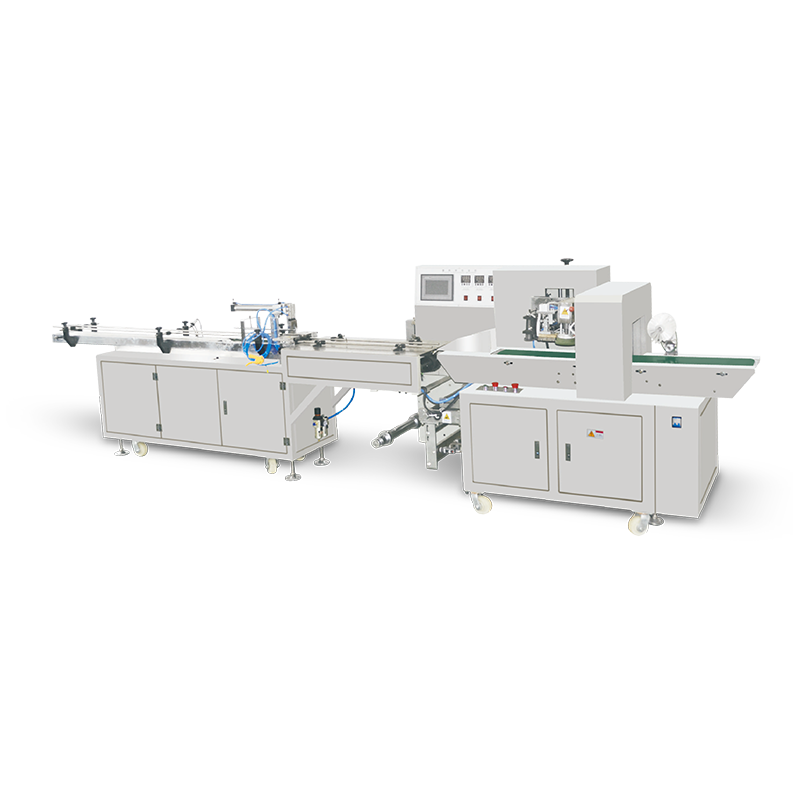
Manufacturers are increasingly expected to handle different product sizes, packaging formats, and order quantities without creating unnecessary interruptions on the production floor. For companies managing multiple product lines, changing from one packaging specification to another can involve more than replacing a roll of film or adjusting a few settings. Feeding systems, sealing positions, filling accuracy, and conveyor arrangements may all need attention. A properly configured Custom Automatic Packing Machine can help address these challenges by matching the equipment design to the products, packaging materials, and production workflow.
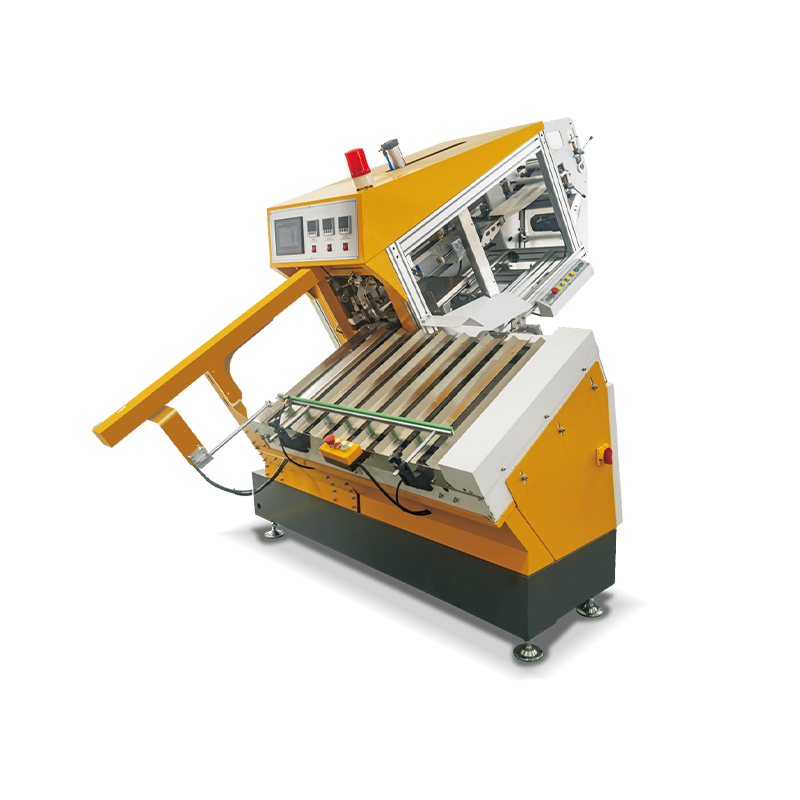
Packaging Variety Creates New Production Challenges
A factory may need to package several product sizes or use different bag styles to serve different markets. While this flexibility supports a wider product range, it can also make production planning more complicated.
For example, changing package dimensions may affect the forming structure, film positioning, sealing area, and cutting position. If the machine is designed around only one fixed specification, operators may need to spend considerable time making adjustments or preparing additional components.
Before purchasing equipment, manufacturers should identify the packaging formats they expect to use regularly. This allows the machine configuration to reflect actual production requirements rather than relying on assumptions about future flexibility.
Machine Configuration Should Follow the Product
Not every product behaves in the same way during packaging. Powders, granules, liquids, solid items, and irregularly shaped products may require different feeding and handling arrangements.
A suitable machine design should consider:
- Product dimensions, weight, and physical characteristics
- Required packaging material and bag format
- Filling or feeding method
- Sealing requirements
- Desired production workflow
- Available factory floor space
These details influence equipment selection and customization. When manufacturers provide accurate product samples and packaging specifications during the early design stage, equipment suppliers can evaluate the required structure more effectively.
Faster Changeovers Depend on Practical Adjustments
Reducing changeover time is not simply a matter of installing a faster motor or adding more automation. Operators also need convenient access to adjustment points and a clear understanding of which components must be changed between production runs.
Depending on the machine design, useful features may include adjustable guides, accessible film paths, clearly identified settings, and replaceable format parts. Recipe storage and digital parameter control may also be available on selected configurations, helping operators retrieve settings for recurring products.
Buyers should confirm which adjustment functions are included and whether additional tooling is required for each packaging format.
Packaging Material Compatibility Deserves Early Attention
Different films and packaging materials can behave differently during forming and sealing. Material thickness, surface characteristics, flexibility, and heat-sealing properties may influence the final package appearance and sealing performance.
A machine that works well with one material should not automatically be assumed to handle every alternative. During equipment development, manufacturers should evaluate the intended packaging materials through practical trials where possible.
This helps identify potential problems such as uneven film feeding, wrinkles, weak seals, or inconsistent package dimensions before the equipment enters regular production.
Automation Must Work With the Existing Production Line
A packing machine rarely operates in isolation. It may need to receive products from an upstream processing machine and transfer finished packages to conveyors, checkweighers, labeling equipment, or case packing systems.
For this reason, buyers should review the complete production layout before confirming a machine configuration. Important considerations include conveyor height, product transfer direction, available installation space, electrical requirements, and communication between connected equipment.
A well-planned integration approach can reduce unnecessary manual handling and help the packaging process fit more naturally into the existing factory workflow.
Operator Access and Maintenance Affect Daily Performance
Production efficiency also depends on how easily operators can inspect, clean, and maintain the equipment. Difficult-to-reach components may increase routine service time, while unclear control interfaces can make product changeovers more complicated.
When evaluating a custom packing machine, buyers should consider access to sealing assemblies, film-feeding components, sensors, and other frequently inspected areas. They should also ask about spare parts, maintenance instructions, and technical support.
These practical details matter because equipment performance needs to remain manageable throughout its working life, not just during initial installation.
Build the Machine Around Long-Term Production Needs
Selecting packaging equipment requires balancing product requirements, packaging flexibility, operating efficiency, and future production plans. As a Custom Automatic Packing Machine manufacturer, we believe customization should begin with a detailed understanding of the customer's products, packaging formats, changeover frequency, and factory layout. By discussing these factors before equipment design and production, overseas buyers can develop a more suitable packaging solution that supports different product specifications while keeping daily operation and maintenance practical.