 English
 中文简体
 Español
 عربى


Plastic cup printing requirements can vary considerably between customers. One order may feature a simple logo, while another may require several colors, detailed graphics, or a different cup size. For packaging manufacturers and printing businesses, managing these changes without creating unnecessary downtime is an important production challenge. Equipment selection should therefore consider not only printing performance but also how efficiently operators can prepare a new job, confirm the first samples, and maintain clear production records.
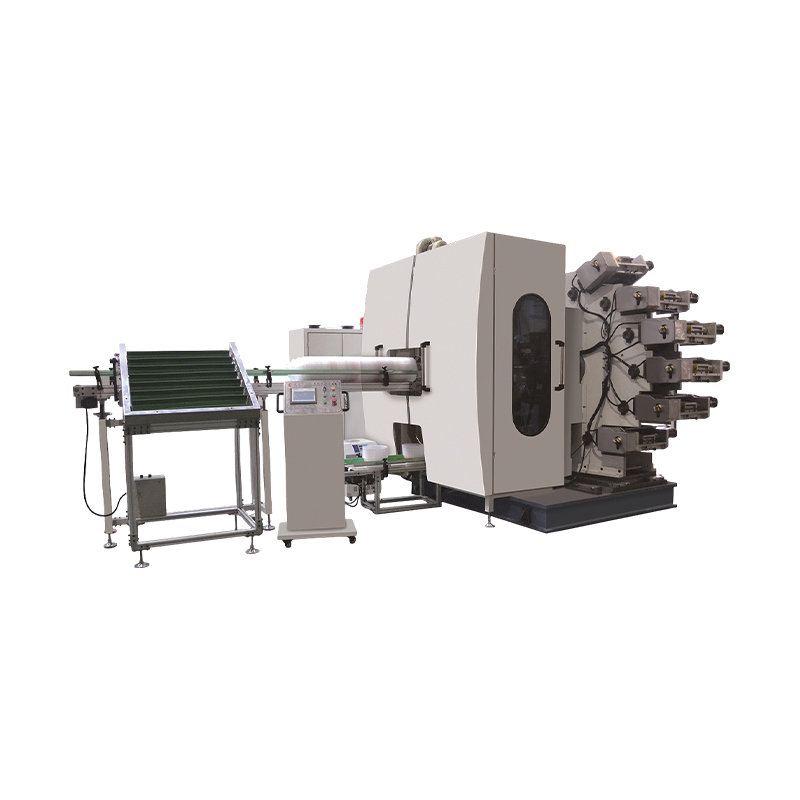
Prepare Artwork Before Changing the Job
Artwork preparation is an important first step in a successful print run. Incorrect dimensions, unsuitable placement, or incomplete files can cause delays even when the machine is operating properly.
Before production, buyers should confirm the printable area, cup shape, design orientation, color requirements, and any restrictions associated with the selected printing process. Manufacturers can review these details with the customer to identify potential issues before the job reaches the production floor.
A consistent artwork approval procedure also helps prevent outdated designs from being used after a revision. Each approved version should be clearly identified so that operators can connect the correct file with the corresponding order.
Organize Changeover Tasks in Advance
Switching between cup sizes or printing designs may involve changing fixtures, adjusting positioning, preparing ink, and confirming operating settings. If these tasks are handled without a defined sequence, operators may spend unnecessary time searching for components or repeating adjustments.
A practical changeover plan identifies the tools, materials, and settings required for the next order. Where the machine design supports interchangeable fixtures or tooling, manufacturers should explain the compatible configurations and the steps needed to change them.
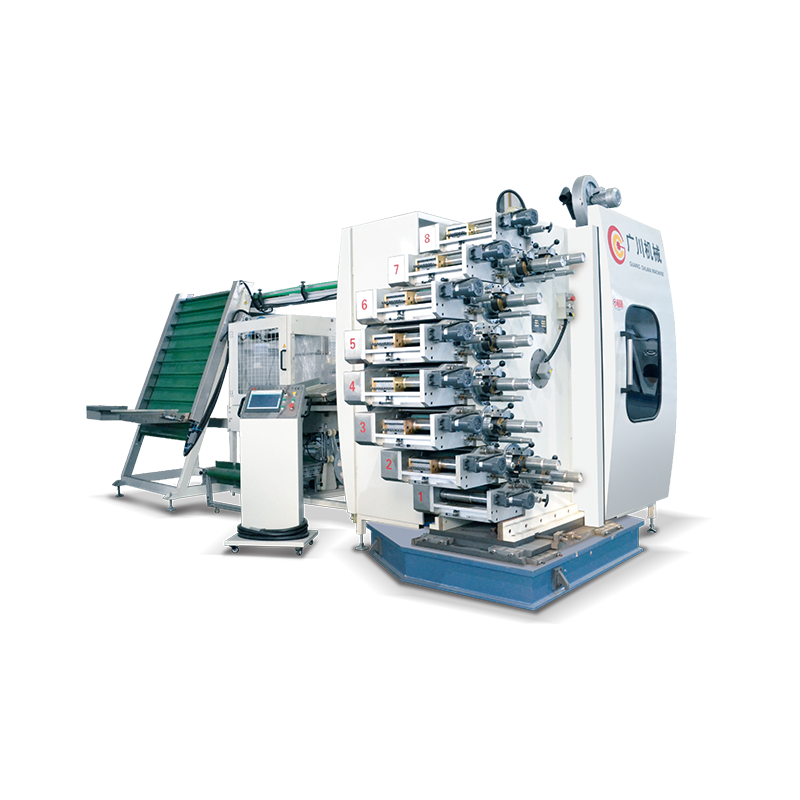
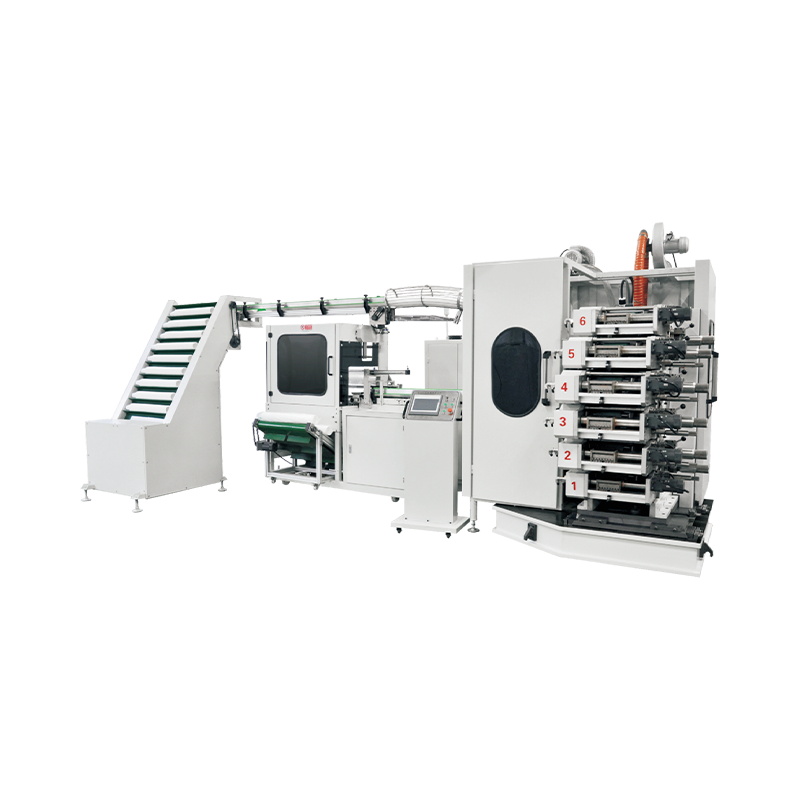
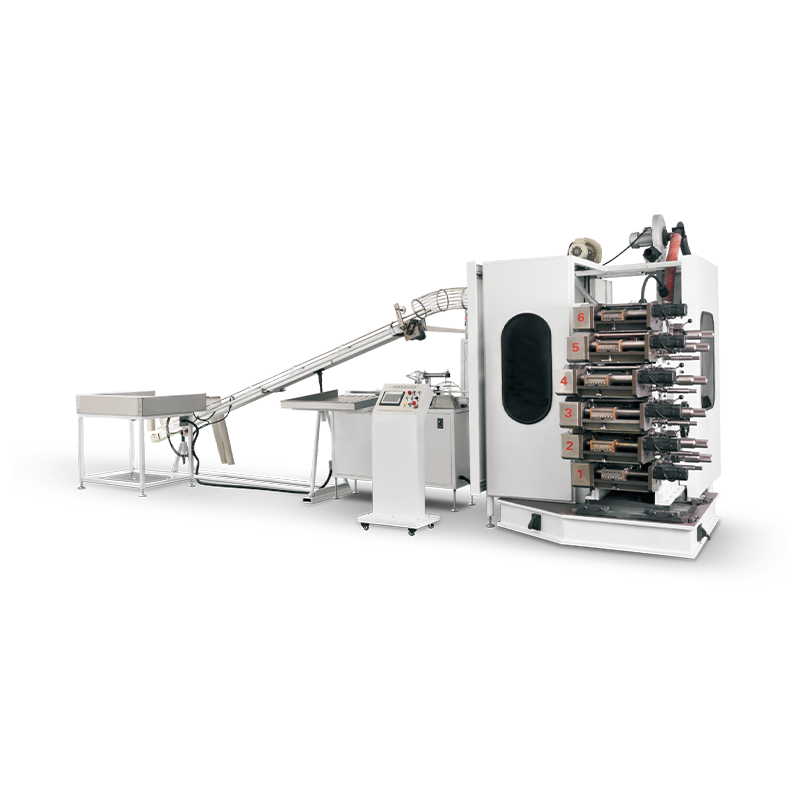
For a Plastic Cup Printing Machine Manufacturer, clear setup instructions can make equipment easier to integrate into different production schedules. Buyers should still confirm the actual changeover procedure through sample evaluation rather than assuming every machine can accommodate every cup format.
Approve Samples Before Full Production
The first printed cups provide an opportunity to verify the relationship between artwork, cup geometry, ink, and machine settings. Checking samples before releasing a full batch can help identify issues while adjustments are still manageable.
Sample approval should cover the characteristics that matter to the order, including:
- Artwork position and orientation
- Color appearance and coverage
- Print clarity under suitable inspection conditions
- Adhesion or drying performance where relevant
- Consistency between representative samples
The acceptance criteria should be agreed upon before production begins. This gives operators a clear reference when checking subsequent output and helps avoid subjective decisions about whether a print is acceptable.
Manage Multiple Designs Without Confusion
Orders containing several designs require accurate identification throughout production. Similar cup sizes may use different artwork, colors, or packaging, making it important to separate materials and records by job.
Manufacturers can support this process through clear work orders, labeled ink preparations where applicable, and documented machine settings. Operators should verify the order identity before loading materials and again when completing the run.
These controls help reduce the chance of mixing designs or packing the wrong version. They also make it easier to trace a specific production batch if a customer raises a question after delivery.
Match Production Planning to Order Size
Long production runs and frequent small orders create different demands. A long run may justify more extensive initial setup, while a short run requires careful attention to preparation time, material use, and the effort involved in switching jobs.
Buyers should discuss their expected order pattern when comparing equipment. Relevant considerations include the range of cup sizes, the number of designs produced regularly, operator experience, and the time required for setup and cleaning.
Manufacturers can use this information to recommend a suitable machine configuration and explain any limitations that may affect the customer’s planned workflow.
Keep Quality Checks Consistent Across Jobs
Each new design or cup specification introduces conditions that may differ from the previous run. Quality checks should therefore be repeated after relevant changes instead of assuming that settings from an earlier job remain suitable.
Operators can compare the first approved samples with prints produced during the run and record adjustments when necessary. Consistent inspection procedures help identify drift before it affects a larger quantity of cups.
Build Flexibility Into Equipment Selection
Flexible production depends on coordinated planning, clear setup procedures, and reliable sample approval as much as on machine capability. When evaluating a plastic cup printing system, buyers should consider how the equipment handles their real mix of cup sizes, artwork changes, and order volumes. Manufacturers that understand these requirements can help customers choose a configuration suited to their production workflow and manage customized orders with greater clarity.