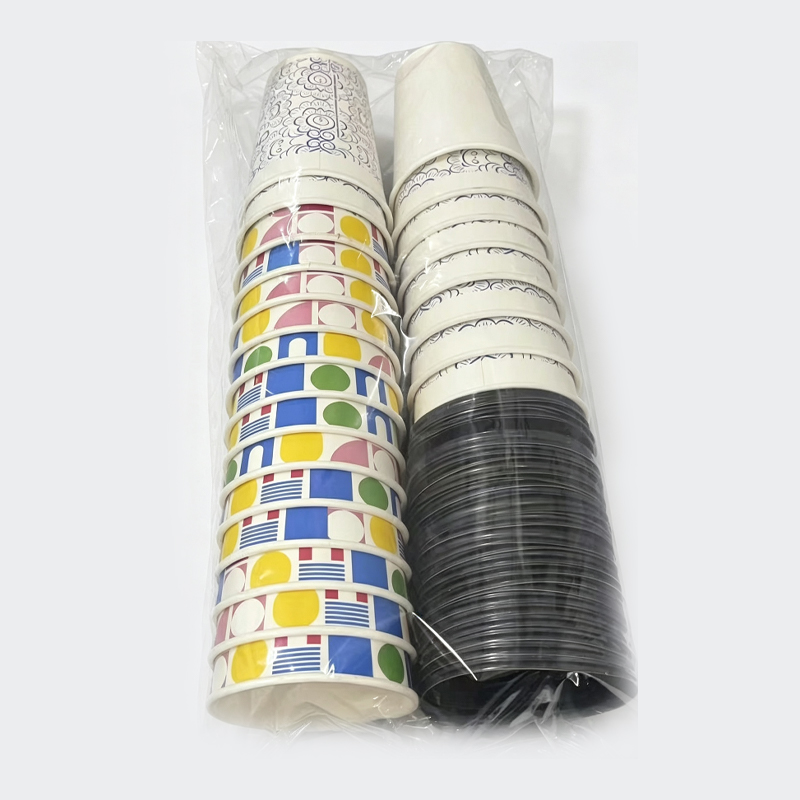
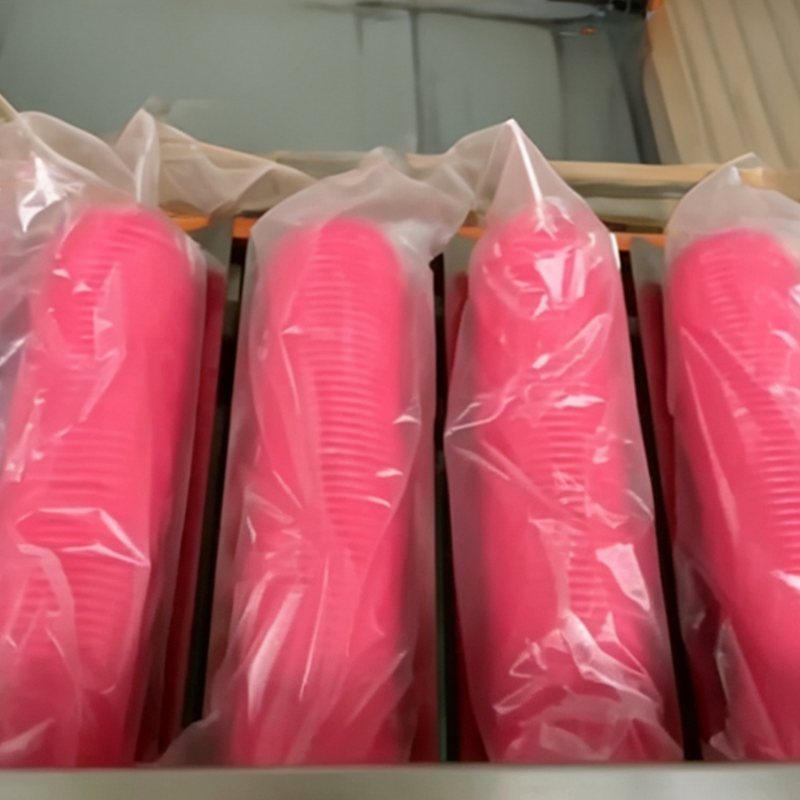
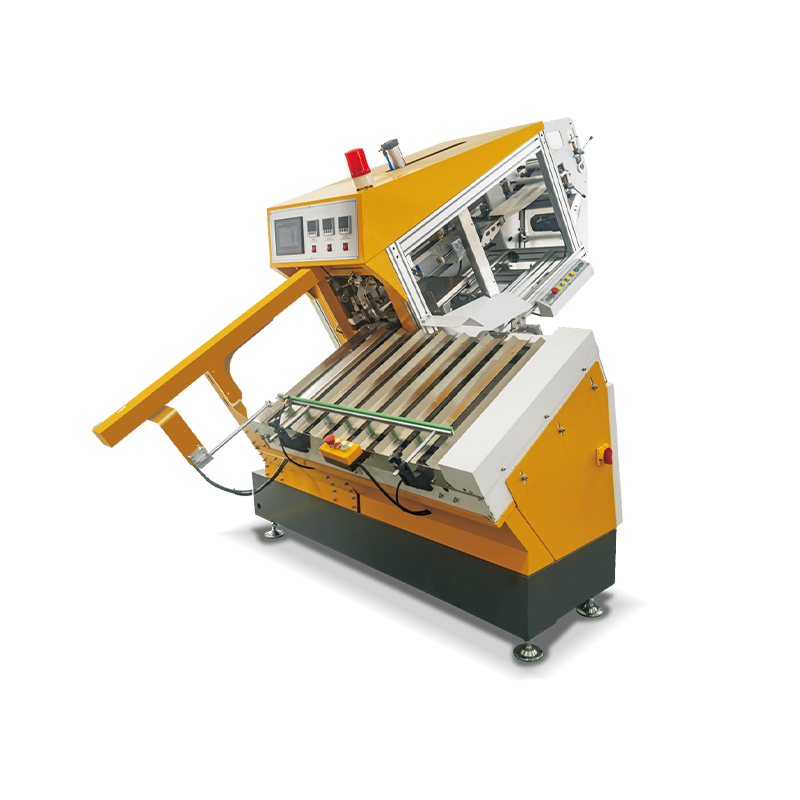
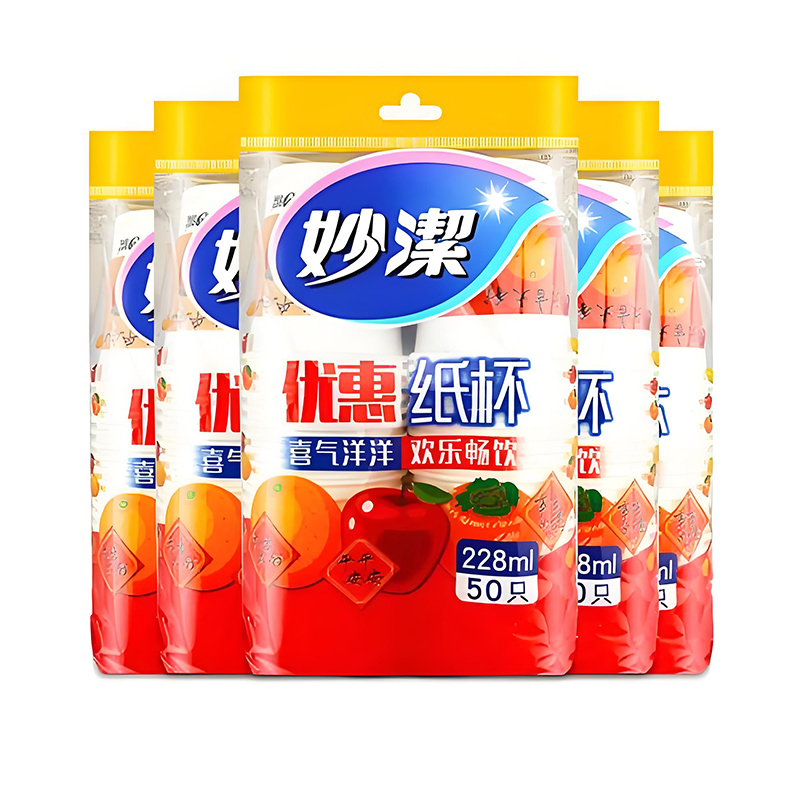
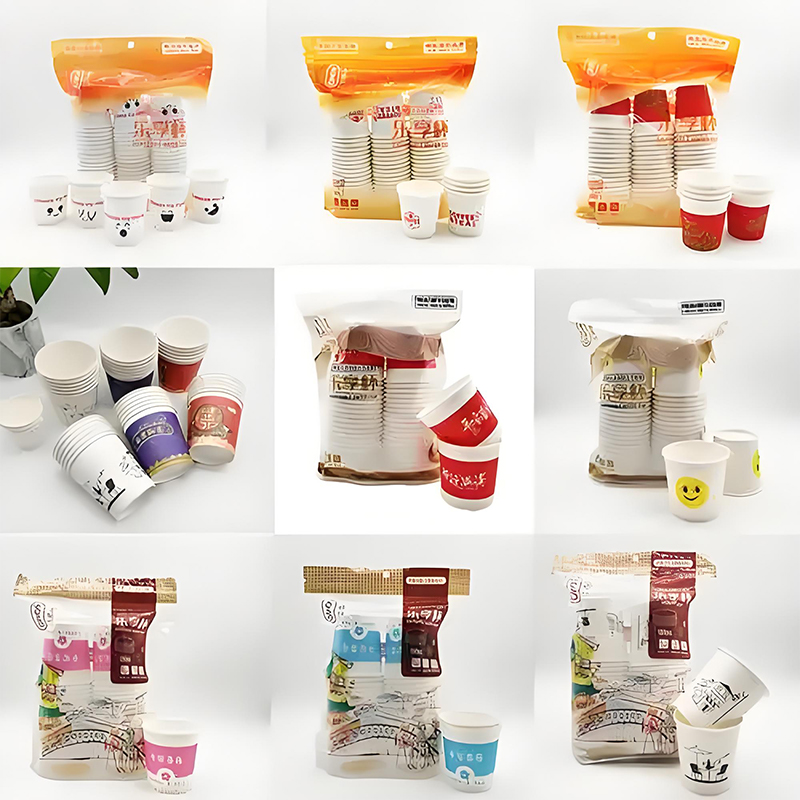
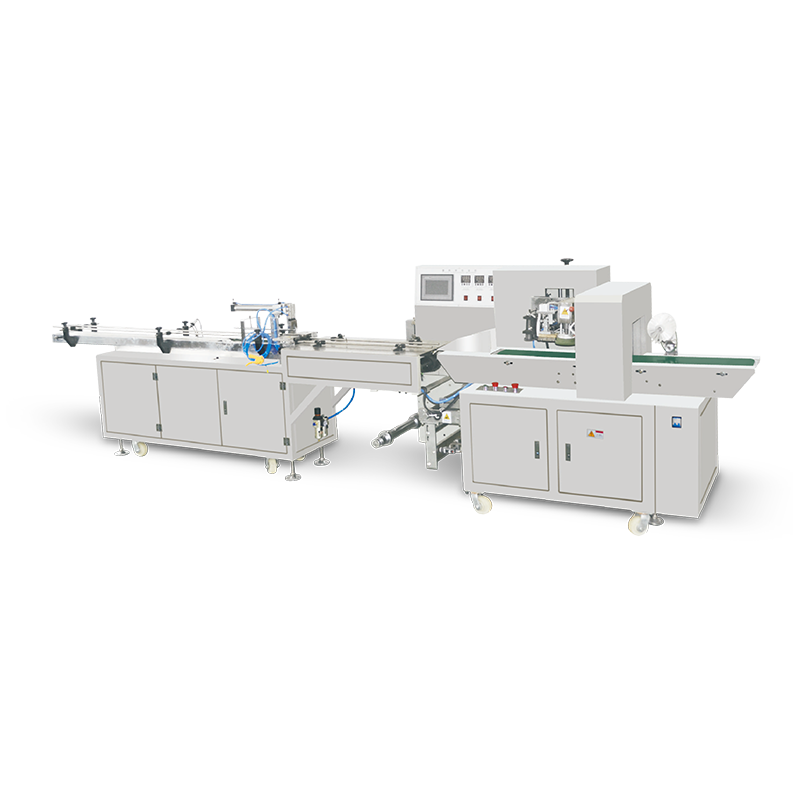
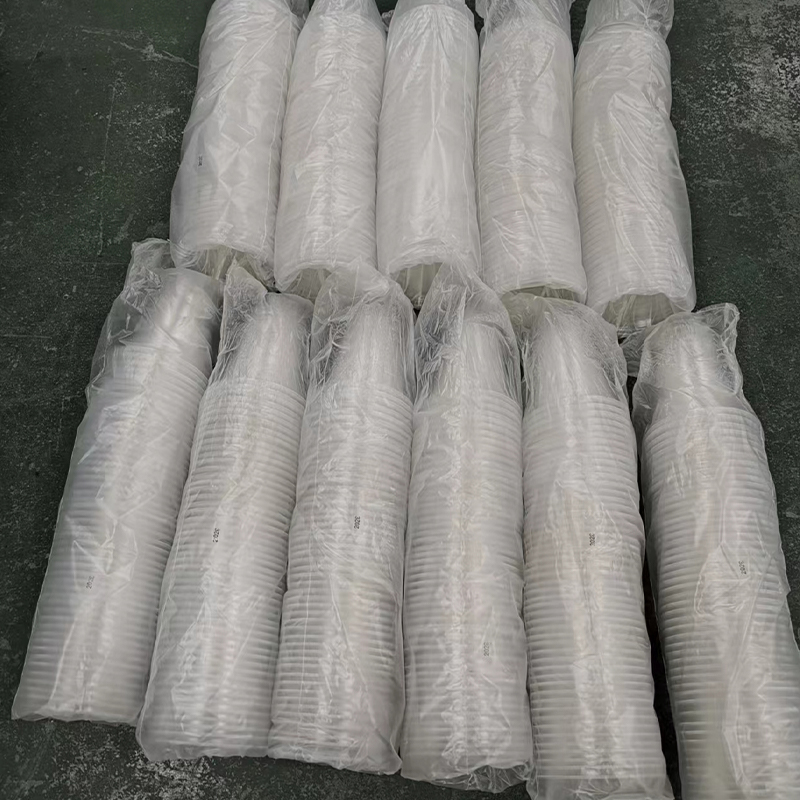
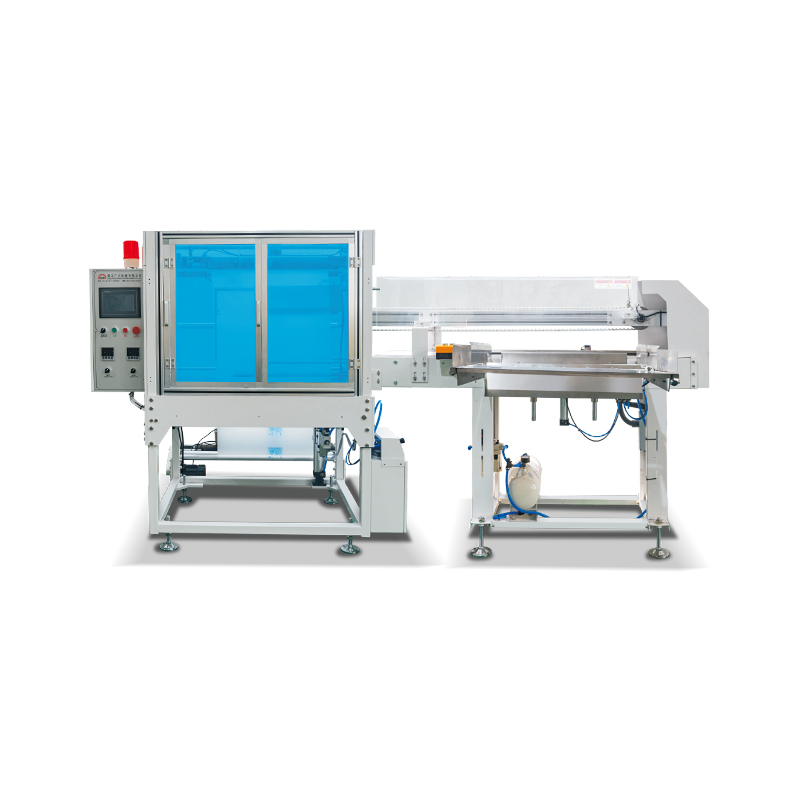
Plastic/Paper cup packaging machines are our earliest product, with 15 years of experience. One/Double Row counting packaging machines are suitable for counting and packaging disposable plastic cups/bowls, paper cups. Packaging quantities as per customer requirements. Vertical Drop Bag Packaging Machine features pneumatic cutters to save packaging film. Additionally, the automatic lid packaging machine is our newly developed product based on market demand.
Disposable Plastic Lid Packing Machine to package disposable flat and ball plastic lids, with adjustable packing quantities to fit custom business demands.
1. Equipped with servo-precise length contro...
Single Lane Cup Counting & Packaging Machine is designed for automatic counting and packaging of disposable injection-molded cups and bowls, paper cups, paper bowls, and other disposable catering ...
The Vertical-feed plastic cup packaging machine is designed for plastic cups with a 50–120mm diameter, adopting PE film as the primary packing material.
1.It achieves a packing speed of 10–30 bags pe...
Dedicated Exclusively to Perfecting Cup/Bowl Packaging & Curved Printing Machinery.
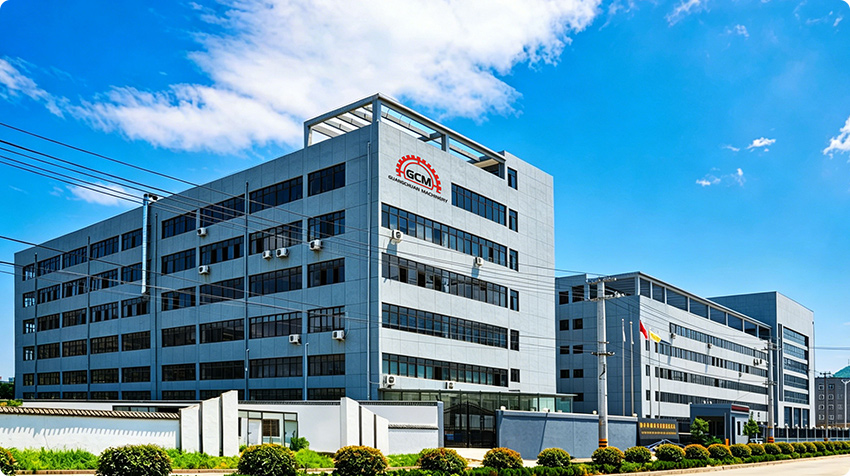
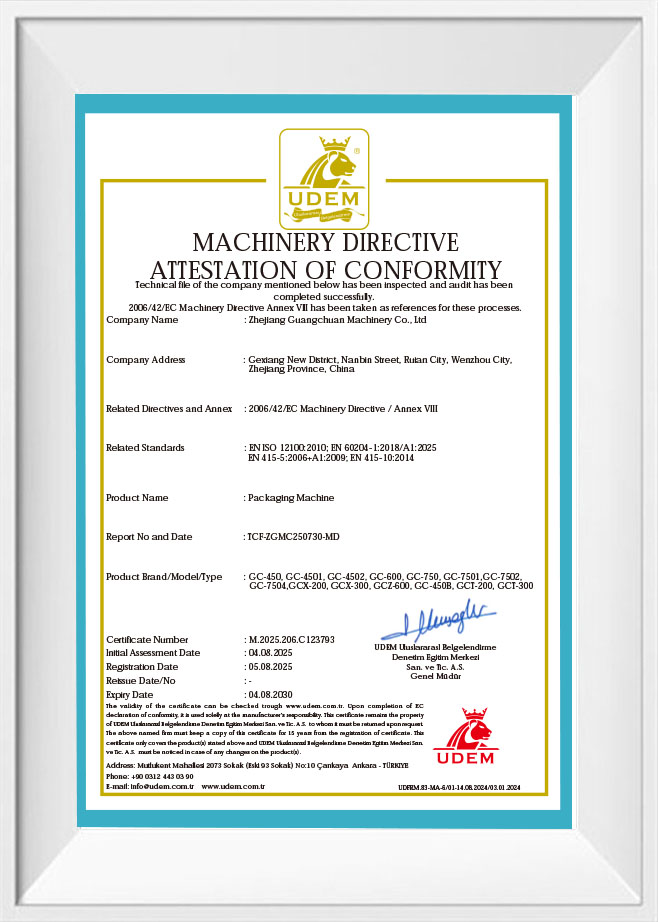
Zhejiang Guangchuan Machinery Co., Ltd.
is located in Ruian, Wenzhou. We specialize in cup/bowl packaging lines and curved printing machinery.
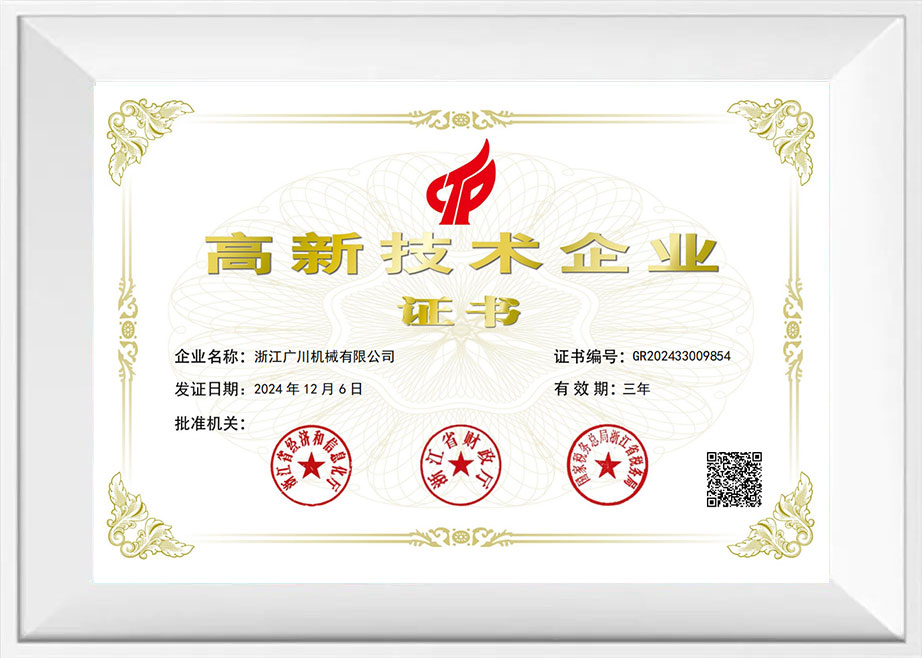
In 2021, we were awarded the title of "National High-tech Enterprise". Our products are exported worldwide and trusted for reliable quality,
stable performance, and convenient operation.
Plastic cup producers often need to manage different customer designs, cup dimensions, print colors, and order quantities within the same production schedule. A machine configured for one standard product may not be equally convenient when the next order requires a different cup size or artwork layout. For manufacturers serving multiple markets, the challenge is to balance production efficiency with print quality while avoiding unnecessary setup work and material waste. Choosing equipment that fits the actual order pattern can make production planning more manageable.
Evaluate the Variety of Cup Specifications
Before purchasing printing equipment, manufacturers should review the range of cups they expect to produce. Diameter, height, taper, material, and printable surface area can all affect machine compatibility. A business handling several cup sizes may need a different configuration from one producing a single specification in long runs.
A Plastic Cup Printing Machine Manufacturer can assess these requirements using cup samples, drawings, and artwork files. Buyers should identify both their current products and any realistic plans to introduce additional sizes or designs.
This information helps determine which adjustments may be required between jobs and whether the proposed machine can accommodate the intended product range without extensive modification.
Make Changeover Procedures Easier to Repeat
Changing from one cup specification to another may involve adjustments to fixtures, feeding components, printing positions, or machine parameters. If these tasks depend entirely on operator experience, setup results may vary between shifts.
A more repeatable changeover process begins with clearly identified adjustment points and documented settings for each approved product. Where the machine design allows it, accessible adjustment mechanisms and organized tooling can make preparation easier.
Manufacturers should demonstrate the changeover process using representative cup sizes rather than describing flexibility only in general terms. Buyers can observe which components need to be changed, which settings require recalibration, and how the first acceptable samples are verified.
Prepare Artwork Before the Production Run
Artwork preparation can influence both setup time and print accuracy. Incorrect dimensions, unsuitable positioning, or incomplete design files may create problems even when the machine itself is operating correctly.
Before production, buyers should provide the final artwork, confirm the intended print area, and verify the orientation of logos, text, and graphics. The manufacturer can then review whether the design suits the cup geometry and the machine's printing method.
For repeat orders, retaining approved artwork files and sample references helps prevent avoidable differences between production runs. Changes to a design should be reviewed before printing begins, rather than introduced during an active run without validation.
Balance Production Speed With Print Quality
A higher operating speed does not automatically produce a more efficient result if it leads to frequent adjustments or excessive rejected cups. The appropriate production rate depends on the machine configuration, cup material, artwork complexity, ink system, and other process conditions.
During equipment evaluation, buyers should examine both output and quality. Useful observations include print registration, color consistency, ink transfer, feeding stability, and the frequency of operator intervention.
A representative production trial provides a more realistic basis for evaluating performance than an isolated speed claim. It also helps identify whether the proposed configuration suits the buyer's normal order mix.
Reduce Waste During Setup and Product Changes
Setup waste can occur when operators need several attempts to achieve the required print position or color appearance. Frequent product changes may increase this challenge, particularly when each job uses different artwork or cup dimensions.
Manufacturers can help reduce unnecessary trials through clear setup instructions, approved reference samples, and a defined first-piece inspection process. Operators should verify cup positioning and print quality before allowing the job to continue at its intended production rate.
Buyers should also clarify how much setup material may be needed during a typical changeover and whether machine settings can be recorded for future use. Actual waste levels depend on the process and should be evaluated during testing rather than assumed from the machine design alone.
Consider Operator Access and Daily Maintenance
Frequent order changes make practical machine access especially important. Operators need to reach adjustment points, inspect printed cups, remove residues, and complete routine cleaning without unnecessary difficulty.
When comparing equipment, buyers should review the layout of controls, access to printing components, cleaning procedures, and the maintenance tasks required between jobs. The availability of clear operating documentation can also support training when new staff join the production team.
Regular maintenance helps keep the machine in suitable operating condition, while consistent cleaning and inspection can reduce the risk of residue affecting subsequent designs.
Define Flexibility Requirements Before Ordering
Flexible production depends on a match between the machine and the manufacturer's real workload. Buyers should provide a list of cup sizes, materials, artwork types, expected order frequency, and desired production output before confirming the equipment configuration.
A Plastic Cup Printing Machine Manufacturer can use this information to recommend suitable tooling, adjustment arrangements, and testing procedures. By validating product changes, print quality, and setup requirements before delivery, buyers can make a more informed investment and prepare their production lines for changing customer orders without sacrificing consistency.
Printed plastic cups are widely used for beverages, takeaway services, promotional campaigns, and branded food packaging. For manufacturers, producing cups with clear graphics and consistent positioning can be challenging because the printing surface is curved and the cup dimensions may vary between product specifications. When colors shift, logos appear uneven, or ink adhesion is inconsistent, the result can affect product presentation and increase the need for rework. Understanding how machine setup, cup compatibility, and process control work together helps buyers make more informed equipment decisions.
Match the Machine to the Cup Design
Not every printing machine is suitable for every cup shape or size. Cup diameter, height, taper, material, and available printing area all influence how the cup should be positioned and rotated during printing.
Before selecting equipment, buyers should prepare the dimensions of their target cups and clarify whether production will involve one standard size or frequent changes between different specifications. The required print area and artwork complexity should also be considered.
A Plastic Cup Printing Machine Manufacturer can use this information to evaluate the appropriate machine configuration, feeding arrangement, and printing method. Confirming compatibility before purchase helps avoid costly adjustments after installation.
Control Print Position on Curved Surfaces
Unlike flat packaging, a plastic cup presents a curved surface that can make artwork alignment more demanding. Incorrect cup positioning, inconsistent rotation, or unsuitable setup parameters may cause logos and text to appear tilted, stretched, or displaced.
Operators should establish clear reference points for cup loading and artwork placement. During setup, sample cups can be printed and checked from multiple angles to confirm that the design sits within the intended area.
For production involving several cup sizes, each specification should have its own verified setup parameters where necessary. Documenting approved settings helps reduce repeated trial and adjustment when the same product returns to the production schedule.
Improve Color and Image Consistency
Color variation may arise from differences in ink preparation, printing conditions, surface characteristics, or machine settings. Small changes can become noticeable when a large batch of cups is displayed together.
Manufacturers should define the required colors and artwork references before production begins. Buyers can provide approved artwork files, color references, and sample expectations to establish a common standard.
Useful quality checks include:
Comparing printed colors with the approved reference
Inspecting text and graphic edges for smearing or incomplete transfer
Checking whether the design remains correctly positioned
Looking for scratches, ink spots, or unintended marks
Reviewing samples from different stages of the production run
The exact inspection method depends on the printing technology, ink system, and product requirements.
Confirm Ink Adhesion and Material Compatibility
A design may look correct immediately after printing but still fail to meet expectations if the ink does not bond adequately with the cup surface. Plastic materials differ in their surface characteristics, and ink performance depends on compatibility with the substrate and the printing process.
Before mass production, buyers and manufacturers should confirm the cup material and the specified ink system. Where required, surface treatment and curing conditions should be evaluated according to the equipment and ink manufacturer's instructions.
A practical sample test can help identify adhesion problems before a full production run. The acceptance method should reflect the cup's intended handling and use, rather than relying on visual inspection alone.
Make Changeovers Easier to Manage
Cup manufacturers may need to switch between different sizes, colors, and artwork designs. If changeovers require extensive manual adjustment, production planning becomes more complicated and the risk of setup errors may increase.
Buyers should therefore evaluate how the machine handles cup positioning, tooling changes, parameter adjustment, and access to key components. The actual changeover process should be demonstrated with representative cup specifications whenever possible.
For a production line serving multiple orders, storing approved setup records and identifying the correct tooling for each cup can help operators prepare repeat jobs more consistently. This is especially useful when designs return after an interval or when several operators share the same equipment.
Include Maintenance in Production Planning
Printing quality can change as components become dirty, worn, or incorrectly adjusted. Ink buildup, residue on contact surfaces, worn fixtures, and neglected moving parts may contribute to unstable feeding or inconsistent printing.
A practical maintenance routine should follow the machine's operating instructions and include suitable cleaning, inspection, lubrication where specified, and checks of relevant positioning components. Operators should also monitor unusual vibration, feeding interruptions, and changes in print quality.
Addressing these signs early can help prevent minor operating issues from affecting a larger batch. Maintenance access and the availability of suitable replacement parts are therefore useful considerations when comparing machines.
Evaluate the Complete Production Requirement
Choosing printing equipment involves more than comparing rated speed or the number of colors. Cup dimensions, artwork requirements, material compatibility, changeover frequency, inspection procedures, and maintenance access all affect whether a machine fits the intended production environment.
A Plastic Cup Printing Machine Manufacturer can provide a more relevant recommendation when buyers share their cup samples, drawings, printing requirements, expected output, and production plans. By validating these details before ordering, manufacturers and procurement teams can establish a clearer basis for machine selection, reduce avoidable setup problems, and work toward consistent printed results across repeat production batches.
Exhibition Date: September 22–24, 2026Exhibition: PlastEx Uzbekistan 2026Hall: Hall 2Booth: C74Venue: Central Pavilion, UzExpoCentre, Tashkent, Uzbekistan
Zhejiang Guangchuan Machinery Co., Ltd. will participate in PlastEx Uzbekistan 2026, which will be held in Tashkent, Uzbekistan, from September 22 to 24, 2026. We warmly welcome customers and industry partners from the global plastics, packaging, and printing sectors to visit us at Hall 2, Booth C74.
Founded in 2010 and located in Gexiang High-tech Park, Rui’an City, Wenzhou, Zhejiang Province, Zhejiang Guangchuan Machinery Co., Ltd. is an industrial and trading enterprise integrating R&D, production, and sales. The company specializes in the development and manufacturing of curved surface pad printing equipment and packaging machinery.
During the exhibition, Zhejiang Guangchuan Machinery will present a range of printing and packaging equipment, including:
Multi-color curved surface cup and bowl printing machines, with 4–8 color models designed for cups and bowls;
Pipe printing machines;
Cover material printing machines;
Barrel printing machines;
Plastic cup packaging machines;
Paper cup packaging machines.
With years of experience in the printing and packaging machinery industry, Zhejiang Guangchuan Machinery continues to improve its technical systems, equipment performance, and product adaptability. The company provides practical and durable machinery for different printing and packaging applications. Its products have been exported to countries and regions across the Americas, the Middle East, Southeast Asia, and other markets, receiving recognition from customers in China and overseas.
At PlastEx Uzbekistan 2026, we look forward to meeting customers and industry professionals, exchanging ideas on printing and packaging applications, and exploring equipment solutions for different production requirements.
If you are looking for printing or packaging equipment for plastic cups, paper cups, pipes, covers, barrels, and other products, we welcome you to visit our booth and discuss your requirements with our team.
See you in Tashkent from September 22 to 24, 2026!
Zhejiang Guangchuan Machinery Co., Ltd.Hall 2 | Booth C74Central Pavilion, UzExpoCentre107 Amir Timur Street, 100047, Tashkent, Uzbekistan
The first China (Ruian) International Printing & Packaging Industry Exhibition was successfully held from March 17 to 19, 2026, in Ruian, Wenzhou, Zhejiang Province. As one of China's major production bases for printing and packaging machinery, Ruian has established a complete industry chain covering pre-press, in-press, and post-press processes, characterized by high industrial agglomeration, strong supporting capabilities, and broad market coverage. The exhibition gathered leading enterprises from Ruian, quality companies from the Yangtze River Delta region, and numerous international brands, attracting buyers from over 20 countries and regions including France, Russia, India, and Saudi Arabia.
At the exhibition, Reginald, a buyer from South Africa, expressed his excitement: "I have been searching for this kind of production equipment across China since last year, and I am so surprised to see it at the exhibition today!" Having cooperated with Ruian companies for 7 years, he runs a trading company in Yiwu covering stationery, hamburger boxes, and packaging bags. He noted that traditional plastic cup printing is costly while ordinary paper cups are prone to leakage, but the paper cup packaging equipment developed by Ruian companies precisely addresses these industry pain points, achieving both quality and efficiency. He plans to sign contracts immediately after visiting the factories. Mayad, a buyer from Saudi Arabia, came to the exhibition seeking outer packaging equipment for razor products. After comparing multiple options, he highly recognized the equipment from a Ruian company and visited the factory on the same day with a clear intention to cooperate.
A highlight of this exhibition was the "Exhibition + Factory Visit" model. Unlike traditional exhibitions where visitors could only view displays, this model leveraged Ruian's strong industrial cluster advantages to create a one-stop procurement service chain. Buyers could observe cutting-edge equipment, exchange technical solutions, and negotiate cooperation intentions at the exhibition, then conveniently visit nearby manufacturing enterprises for on-site inspections to gain firsthand insight into production processes, R&D capabilities, smart manufacturing levels, and quality control systems. Miao Hanbing, Vice President of the Ruian Council for the Promotion of International Trade, stated that the "Exhibition + Factory Visit" model effectively combined the exhibition's role in centralized display and efficient lead generation with Ruian's unique advantages of local supporting facilities and on-site factory verification, shortening the procurement chain and improving matching efficiency.
The successful hosting of this exhibition not only demonstrated the international competitiveness of Ruian's printing and packaging machinery industry but also provided overseas buyers with an efficient window to gain in-depth understanding of "Ruian Smart Manufacturing." Industry analysts noted that Ruian is continuously expanding international cooperation channels, enabling more high-end printing and packaging equipment to reach global markets.
According to the Vacuum Thermoforming Machines Market Global Forecast 2026-2032 report released by 360iResearch, the global vacuum thermoforming machines market was valued at approximately USD 713.85 million in 2025 and is projected to grow to USD 787.66 million in 2026, with a CAGR of 12.04%, potentially reaching USD 1.58 billion by 2032.
Vacuum thermoforming remains a core manufacturing process for converting thermoplastic sheets into functional, high-volume components across industries including packaging, automotive, medical, and consumer electronics. The process is favored for its low tooling costs relative to other thermoplastic processes, fast cycle times, and capacity to handle diverse sheet materials. Recent upgrades to control systems and servo-driven motion have narrowed the gap between thermoforming and more capital-intensive technologies, enabling higher tolerances, quicker changeovers, and enhanced quality assurance.
The report indicates that automation, sustainability imperatives, and evolving customer expectations are reshaping the competitive landscape of the thermoforming industry. Automation has progressed from basic material handling to closed-loop temperature control, predictive maintenance enabled by sensor arrays, and integration with enterprise resource planning systems, enabling higher throughput with tighter tolerances while reducing scrap and unplanned downtime. Sustainability considerations are driving material choices and end-of-life planning, with recyclable grades and mono-material designs increasingly preferred in packaging and consumer products to meet regulatory pressures and retailer requirements. The medical and automotive segments demand stricter cleanliness, traceability, and validation processes, influencing machine selection, cleanroom compatibility, and documentation practices.
Regionally, buyers in the Americas emphasize speed to market and service responsiveness, favoring modular platforms that enable rapid SKU changeovers; the Europe, Middle East & Africa region is shaped by regulatory stringency and advanced recycling initiatives, with energy efficiency and emissions performance as priority attributes; the Asia-Pacific region presents diverse demand spanning cost-efficient high-volume platforms and early adoption of hybrid materials and integrated automation. The report concludes that equipment suppliers' strategic focus is shifting from standalone machine performance to comprehensive competitiveness encompassing service support, material compatibility, and lifecycle management.
According to the latest Paper-Plastic Packaging Machine Market Global Forecast 2026-2032 report released by 360iResearch, the global paper-plastic packaging machine market was valued at approximately USD 462.94 million in 2025 and is projected to reach USD 506.71 million in 2026, with a CAGR of 10.39%, potentially exceeding USD 925.26 million by 2032.
The report highlights that the paper-plastic packaging machine sector occupies a pivotal intersection between accelerating sustainability demands and the pragmatic realities of high-throughput manufacturing. Rising consumer expectations for recyclable and lower-carbon packaging have intensified pressure on brand owners and manufacturers, driving equipment suppliers to balance incremental innovation in conversion technologies with scalable automation and service models.
Significantly, tariff adjustments implemented by the United States in 2025 have produced cumulative operational and commercial consequences across the packaging machine value chain. Increased import duties and compliance requirements raise landed costs for foreign-sourced equipment, prompting many buyers to accelerate qualification of domestic or regional suppliers, even when unit costs remain higher, due to shorter lead times, lower logistics risk, and simplified warranty and service engagements. Common responses include dual-sourcing strategies, nearshoring of critical subsystems, and incremental localization of assembly activities.
The report also emphasizes that materials innovation is reshaping equipment requirements, as paper-based substrates and paper-plastic composites present different forming, sealing, and handling dynamics compared with traditional thermoplastics, requiring new machine configurations and tailored tooling. Furthermore, automation and integrated controls are redefining equipment purchasing criteria, with ease of changeover, data interoperability, and remote diagnostics now central selection factors. The report provides systematic insights from technology choices to supply chain optimization for packaging equipment manufacturers and end-users alike.
Zhejiang Guangchuan Machinery Co., Ltd. recently made a strong appearance at a major international packaging and printing exhibition, showcasing its automatic cup/bowl packaging line and drawing significant attention from global buyers. The company's booth attracted numerous domestic and international visitors who were impressed by the integrated printing and packaging solutions on display.
At the exhibition, Guangchuan highlighted its automatic paper cup/paper bowl inline packaging machine, multicolor curved offset printing machines (4–8 colors), and automatic case erectors & packers. The seamless integration from printing to packaging was a standout feature, demonstrating how the company helps manufacturers streamline production lines, reduce labor costs, and improve overall efficiency.
As a National High-tech Enterprise with over a decade of industry experience, Guangchuan Machinery has established a strong presence in global markets. The company's products are exported to Europe, America, Southeast Asia, Oceania, and the Middle East, earning trust for reliable quality, stable performance, and convenient operation.
The company has been an active participant in major international exhibitions. In recent years, Guangchuan has appeared at CHINAPLAS (the premier plastics and rubber trade fair in Asia), K Show Germany (the "Olympics" of the global plastics industry), and Saudi Print & Pack, demonstrating its commitment to expanding global reach and engaging directly with customers worldwide.
During the exhibition, the on-site dynamic demonstrations of the GCM series high-speed cup printing machines and the GCZX series automatic case packers received wide recognition. Multiple cooperation intentions were reached as overseas customers expressed strong interest in the company's modular customization capabilities and ODM/OEM support.
A company representative stated: "We remain committed to the spirit of 'Credibility is Gold, Quality is Soul' and the quality policy of 'Best Quality, Sincere Service.' We will continue to increase R&D investment and optimize equipment performance to provide global customers with smarter, more stable, and more convenient packaging and printing solutions."
The exhibition's success further validates Guangchuan's strategy of combining advanced manufacturing with customer-centric service, positioning the company as a reliable partner in the global packaging and printing machinery industry.