 English
 中文简体
 Español
 عربى


Printed plastic cups are widely used for takeaway drinks, food service, promotional campaigns, and branded packaging. As buyers seek more flexible production options, printing equipment needs to handle design changes while maintaining consistent results across batches. The challenge is not simply transferring a logo or pattern onto a cup. Cup geometry, ink compatibility, registration accuracy, drying conditions, and machine setup all influence the finished appearance. Understanding these factors helps manufacturers and buyers select equipment that matches their production requirements instead of relying on speed specifications alone.
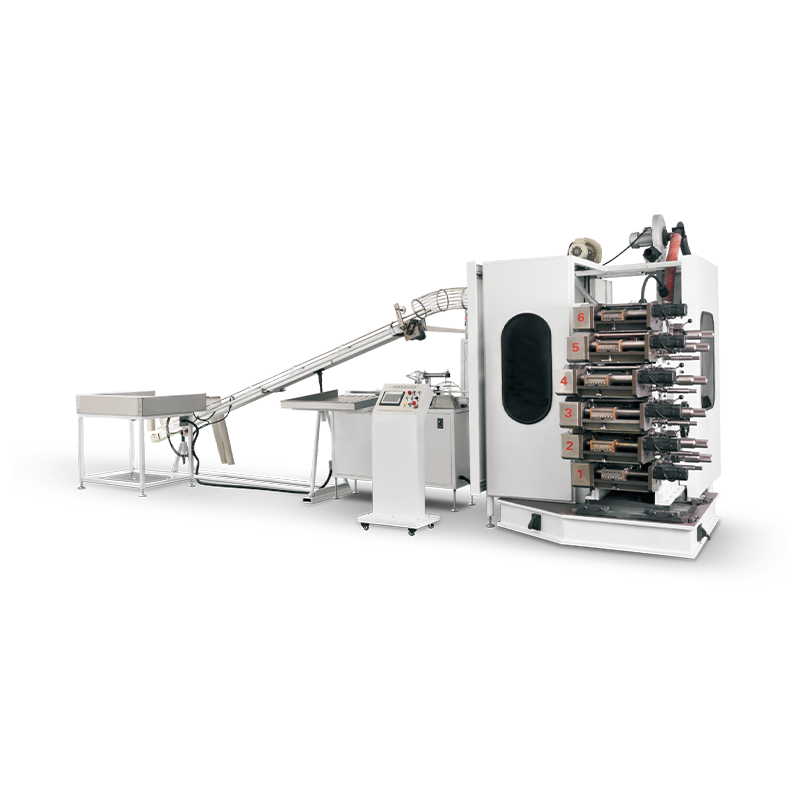
Start With Cup Shape and Material
Plastic cups vary in diameter, wall thickness, height, taper, and surface characteristics. These differences affect how a cup is positioned and supported during printing. A setup that works well for one cup specification may require adjustment when the production line changes to another size or material.
Before selecting a machine, buyers should identify the cup materials and dimensions they expect to process. They should also confirm whether the equipment is intended for straight-wall cups, tapered cups, or a defined range of shapes. As a Plastic Cup Printing Machine Manufacturer, understanding these requirements at the quotation stage helps establish realistic expectations for tooling, changeover, and print quality.
Control Artwork Registration
Misaligned logos, uneven spacing, and inconsistent positioning can make a finished cup look unprofessional, even when the ink coverage is acceptable. Registration accuracy depends on the machine’s positioning system, fixture design, cup stability, and setup procedure.
Manufacturers should evaluate how securely cups are held during printing and how adjustments are made when artwork changes. Buyers should request sample prints using their actual artwork where possible, paying attention to logo placement, repeatability, and alignment around the cup surface.
Artwork files should also be prepared with the intended printing area and cup geometry in mind. Clear communication between the buyer and equipment supplier can prevent avoidable revisions during commissioning.
Match Ink and Printing Conditions
Ink selection should correspond to the plastic substrate, printing method, curing or drying process, and intended end use. A formulation suitable for one material may not provide the same adhesion or appearance on another. Surface contamination and inadequate drying can also affect the finished print.
During equipment evaluation, buyers should clarify which ink systems and plastic materials are supported. Manufacturers can then assess the required printing and drying arrangements rather than assuming that one configuration will suit every application.
Practical checks may include:
- Print adhesion under the specified test method
- Color consistency across repeated samples
- Drying or curing performance under defined conditions
- Resistance to handling appropriate to the intended application </