 English
 中文简体
 Español
 عربى


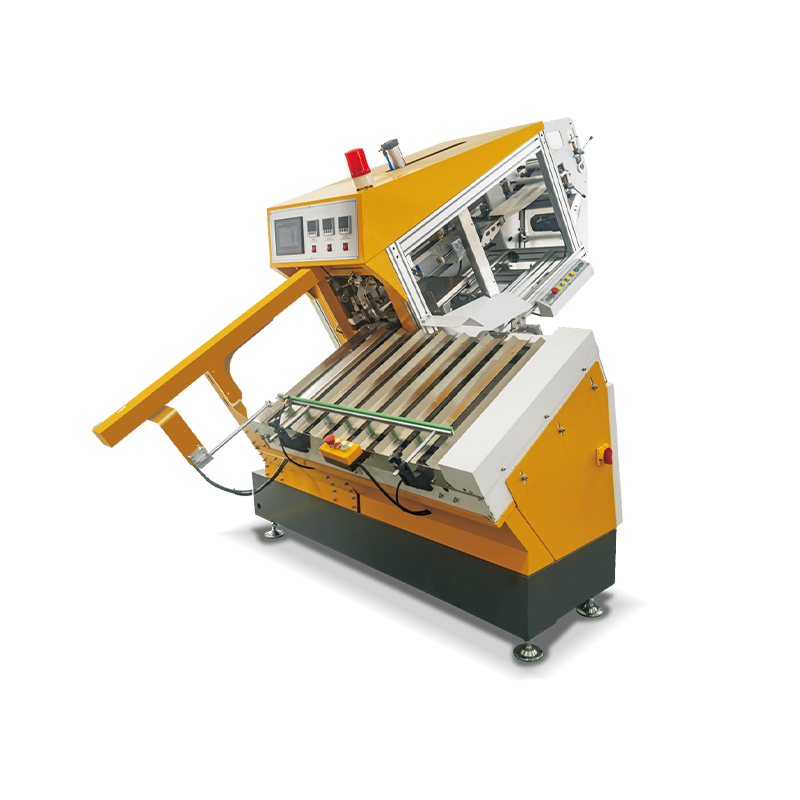
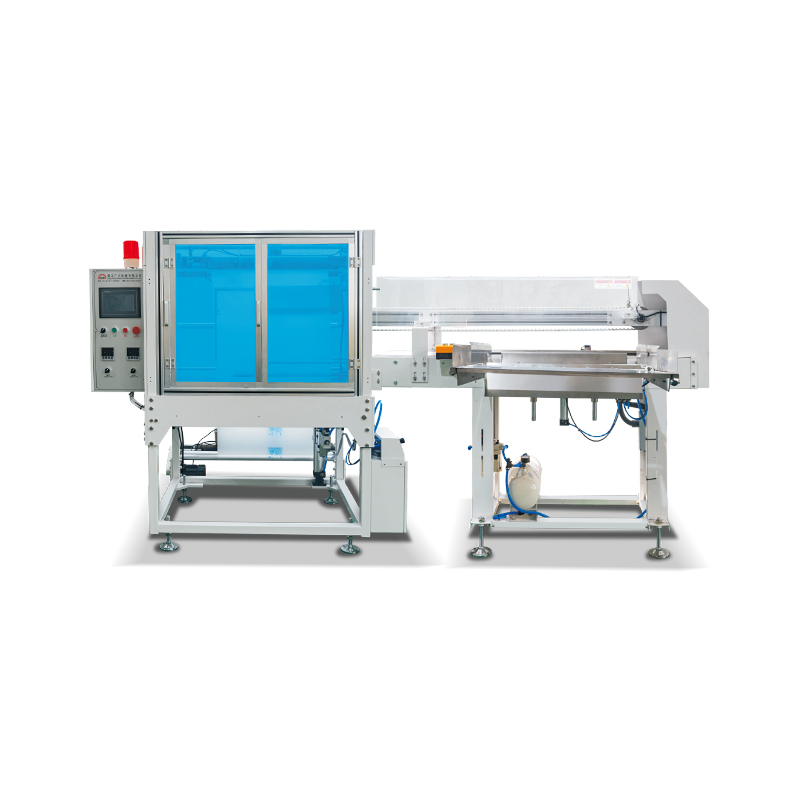
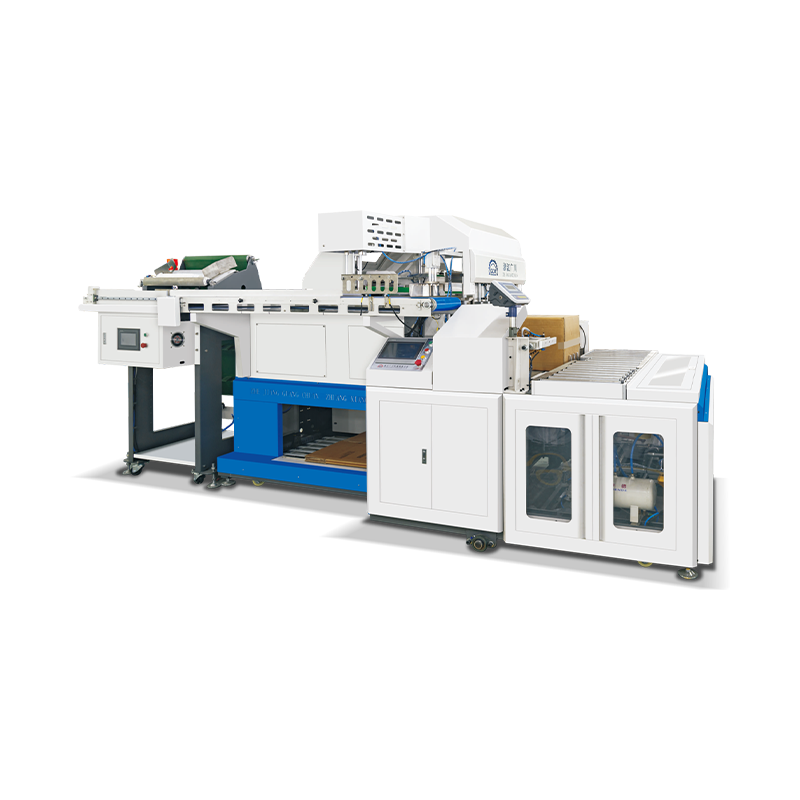
Manufacturers are facing growing pressure to manage different product formats, shorter production runs, and changing customer expectations without increasing operational complexity. For food processors, consumer goods manufacturers, and industrial suppliers, packaging efficiency is no longer determined by output speed alone. Equipment adaptability, changeover time, labor requirements, and packaging consistency all influence production performance. A Custom Automatic Packing Machine can help businesses address these challenges through equipment configurations designed around specific products, packaging materials, and production workflows. Understanding which features matter most can help purchasing teams make better equipment investment decisions.
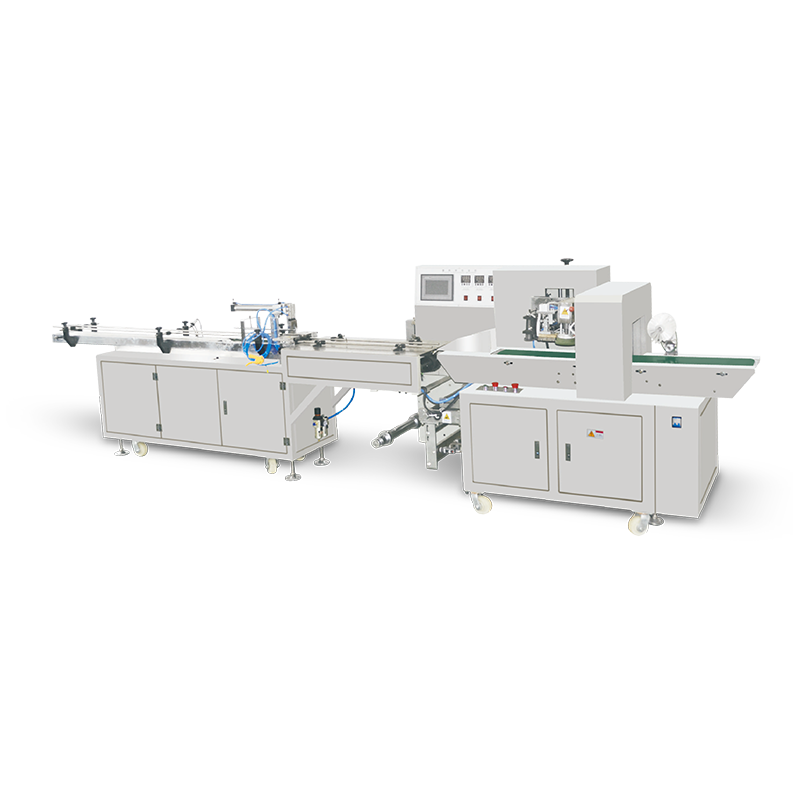
Why Is Production Flexibility Becoming a Purchasing Priority?
Product variety is increasing across many manufacturing sectors. A single production facility may need to package products in different sizes, weights, or packaging formats to serve multiple customer groups.
Traditional equipment designed for one fixed specification may become less practical when production requirements change frequently. Replacing or adjusting machinery for every new product can interrupt schedules and increase operating costs.
Manufacturers should therefore consider equipment that supports adjustable settings, interchangeable components, and suitable format configurations. Before purchasing, production teams should identify their current product range and expected changes in packaging requirements. This helps ensure that the selected machine can support actual manufacturing needs rather than only one existing product.
Can Faster Changeovers Improve Overall Production Efficiency?
Frequent product changes can create hidden losses through equipment adjustments, testing, and operator intervention. Even when a packaging machine operates efficiently during production, lengthy changeovers may reduce the available manufacturing time.
A practical machine configuration should make routine adjustments straightforward. Depending on the application, useful features may include:
- Adjustable filling or dosing parameters for different product specifications.
- Changeable forming components for different bag or package dimensions.
- Accessible operating controls for parameter adjustments.
- Clearly defined changeover procedures to reduce setup errors.
As manufacturers, we recommend evaluating changeover requirements during the equipment selection stage. Buyers should also ask suppliers to demonstrate how the machine handles different product specifications before confirming an order.
How Can Automation Address Labor and Operating Challenges?
Labor availability remains an important consideration for packaging operations. Repetitive activities such as product feeding, weighing, filling, sealing, and packaging transfer can require considerable manual involvement when processes are not properly integrated.
Automatic packaging systems can coordinate several operations within one production workflow, depending on the machine configuration. This may reduce repetitive handling and allow operators to focus on equipment supervision, quality checks, and material replenishment.
However, automation should match the actual production process. An overly complicated system may introduce unnecessary maintenance and training requirements. Buyers should assess operating procedures, control interfaces, safety features, and maintenance accessibility when comparing different equipment solutions.
What Role Does Packaging Accuracy Play in Cost Control?
Packaging errors can result in product waste, rework, and customer complaints. Inaccurate filling, incomplete sealing, or inconsistent package dimensions may affect both product presentation and delivery quality.
For this reason, procurement teams should look beyond advertised production speed. They should understand how the machine controls key packaging parameters and what inspection options are available.
Depending on the application, relevant considerations include weighing accuracy, sealing temperature control, package positioning, and sensor-based detection. Product characteristics and packaging materials should also be tested under actual operating conditions.
Manufacturers should establish clear acceptance criteria during sample testing to verify that the equipment meets the intended production requirements.
Can Customized Machines Support Different Packaging Materials?
Packaging material requirements are changing as businesses explore lightweight structures, recyclable materials, and alternative package designs. These changes can create new technical demands for existing production lines.
Different films and packaging structures may require adjustments to sealing temperature, pressure, forming methods, or feeding mechanisms. A machine that works with one material should not automatically be assumed to perform equally well with another.
When discussing customization, buyers should provide material samples, package drawings, product dimensions, and target operating conditions. This allows equipment manufacturers to evaluate compatibility and identify necessary machine configurations before production begins.
What Should Buyers Evaluate Before Investing in Packaging Equipment?
Selecting machinery involves balancing initial investment with long-term operating requirements. A competitive quotation alone does not establish whether a machine is suitable for a particular production environment.
Before placing an order, purchasing teams should review several areas:
- Production capacity: Confirm that the expected output matches actual manufacturing demand.
- Product compatibility: Check whether the machine can handle the intended product characteristics.
- Packaging specifications: Verify package dimensions, material types, and sealing requirements.
- Maintenance access: Understand routine maintenance procedures and replacement part availability.
- Technical support: Clarify installation, operator training, and after-sales service arrangements.
These checks help businesses compare suppliers more effectively and reduce uncertainty during equipment installation and commissioning.
How Can Manufacturers Turn Custom Requirements into Practical Solutions?
Successful equipment customization starts with understanding the customer's production process. Product characteristics, factory layout, packaging materials, output expectations, and available labor all influence machine design.
As a manufacturer, we believe equipment development should involve detailed technical communication before production. Reviewing product samples, packaging specifications, and workflow requirements helps establish a suitable configuration. Factory testing and operational verification can then provide a clearer understanding of machine performance before delivery.
For overseas buyers, communication should also cover installation conditions, electrical requirements, operating instructions, and spare parts planning. These details support a smoother transition from equipment procurement to daily production.
Is Your Packaging Line Ready for Changing Production Requirements?
Modern packaging operations require equipment that balances flexibility, accuracy, operating efficiency, and long-term maintainability. Businesses that evaluate these factors together can make more informed decisions when upgrading existing production lines or planning new facilities.
When sourcing a Custom Automatic Packing Machine, overseas manufacturers, distributors, and procurement teams should look for more than standard automation functions. The ability to adapt machine configurations to specific products, packaging materials, and production workflows is equally important. Working with an experienced equipment manufacturer can help businesses develop practical packaging solutions that support changing market requirements and more consistent production operations.