 English
 中文简体
 Español
 عربى


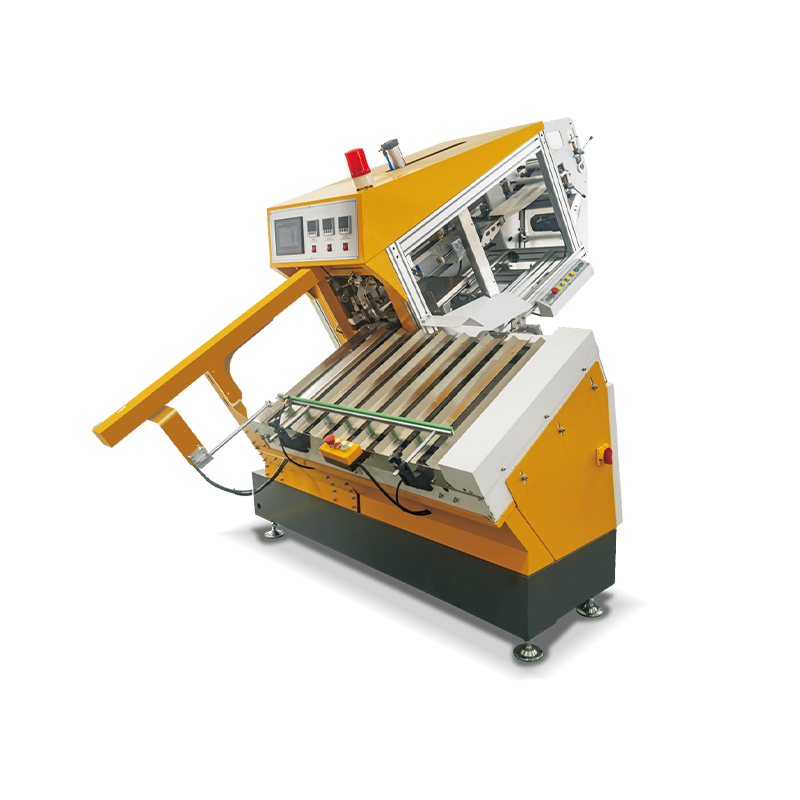
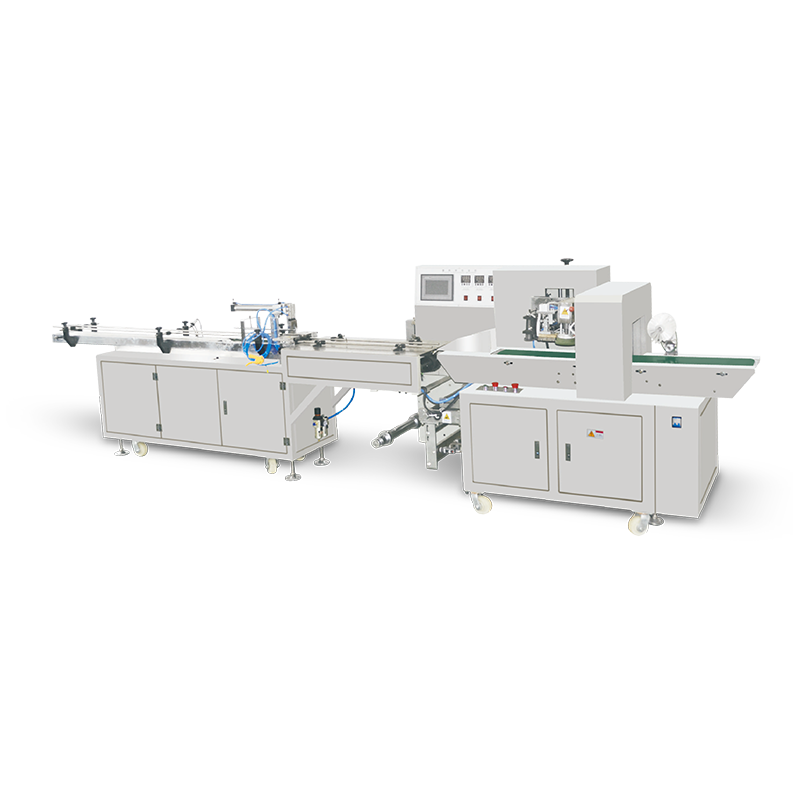
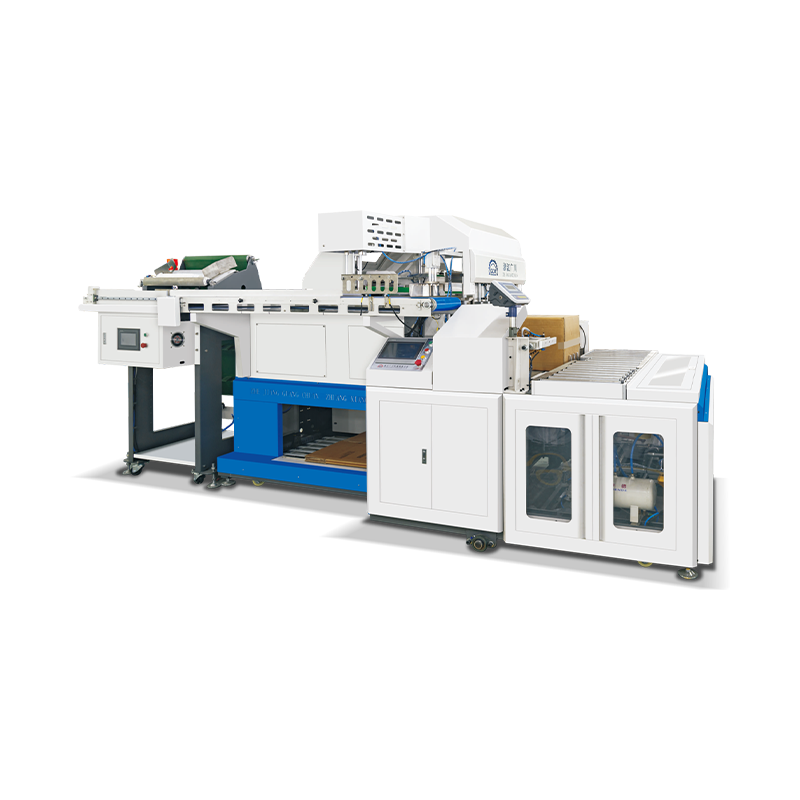
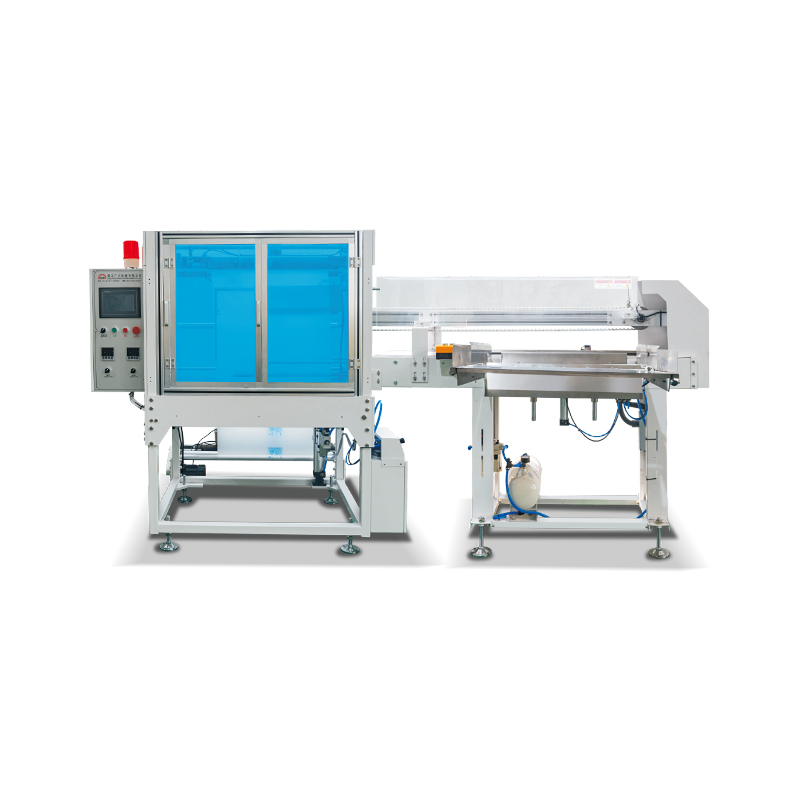
Different products require different packaging methods. Powdered materials, granules, liquids, solid products, and fragile items each present specific challenges during feeding, measuring, filling, and sealing. For manufacturers handling multiple product categories, choosing unsuitable equipment may result in inconsistent packaging, product spillage, or unnecessary production adjustments. A Custom Automatic Packing Machine provides an opportunity to match equipment configurations with actual product characteristics and packaging requirements. Understanding these differences helps purchasing teams select machinery that supports stable production and consistent finished packages.
Why Do Product Characteristics Matter in Machine Selection?
A packaging machine should be designed around the physical properties of the product it handles. Powdered materials may create dust during filling, while liquid products require appropriate filling and sealing arrangements. Granular products need controlled feeding, and fragile items require careful handling to reduce damage.
Using the same equipment configuration for different product types may lead to operational difficulties. Before selecting a machine, manufacturers should evaluate product size, weight, flow characteristics, viscosity, and sensitivity to handling.
These details help equipment suppliers determine suitable feeding mechanisms, measuring systems, and packaging structures.
How Can Different Feeding Systems Improve Packaging Accuracy?
The feeding system directly affects how products enter individual packages. An unsuitable feeding method may cause uneven filling, material accumulation, or inconsistent package weights.
Depending on the application, manufacturers may consider different configurations:
- Auger feeding for suitable powdered materials.
- Volumetric or weighing systems for granular products.
- Liquid filling mechanisms for products with different flow characteristics.
- Conveyor-based feeding for selected solid products.
The final configuration should be determined through product testing and technical evaluation. Buyers should also clarify the required filling range and acceptable accuracy before confirming an equipment order.
What Packaging Challenges Do Fragile Products Present?
Products such as biscuits, confectionery, and certain consumer goods may be sensitive to excessive pressure or rough handling during packaging.
In these applications, equipment design should consider product transfer methods, feeding speed, and the arrangement of mechanical components. Reducing unnecessary drops and sudden movements can help limit product damage.
Manufacturers should review the complete packaging process rather than focusing only on the filling stage. Product samples and packaging tests can help identify potential handling problems before mass production.
Can Customized Sealing Systems Handle Different Packaging Materials?
Packaging materials vary in thickness, structure, and heat-sealing characteristics. These differences influence the temperature, pressure, and sealing time required during production.
A machine intended for one packaging film may need adjustments when working with another material. Poorly matched sealing conditions can result in incomplete seals, wrinkles, or damaged packaging.
For this reason, buyers should provide film samples and package specifications during the equipment evaluation stage. Manufacturers can then assess material compatibility and recommend appropriate sealing configurations.
What Should Overseas Buyers Include in Customization Requests?
Clear technical communication helps reduce misunderstandings during equipment development. When requesting a quotation, buyers should provide:
- Product samples or detailed product descriptions.
- Required package dimensions and packaging formats.
- Filling weight or volume specifications.
- Packaging material information.
- Expected production capacity and factory conditions.
These details allow manufacturers to evaluate machine structure, operating requirements, and customization feasibility more accurately.
How Does Manufacturer Support Affect Equipment Performance?
Equipment procurement does not end when a machine leaves the factory. Installation, commissioning, operator training, and technical support all influence how effectively the equipment performs in daily production.
As a manufacturer, we consider application evaluation an important part of the customization process. Reviewing product characteristics, packaging samples, and production requirements helps establish a suitable machine configuration. Factory testing and clear operating documentation also help customers prepare for equipment installation and operation.
Are Your Packaging Machines Suitable for Your Products?
Choosing packaging equipment requires a clear understanding of product characteristics, feeding methods, sealing requirements, and production conditions. A machine that matches these factors can help manufacturers maintain packaging consistency and reduce avoidable operational difficulties.
When sourcing a Custom Automatic Packing Machine, overseas buyers should look beyond standard machine functions and evaluate whether the manufacturer can adapt equipment to their specific products and packaging materials. Working with a manufacturer that provides practical customization and technical support can help businesses develop packaging solutions suited to their production processes and long-term requirements.