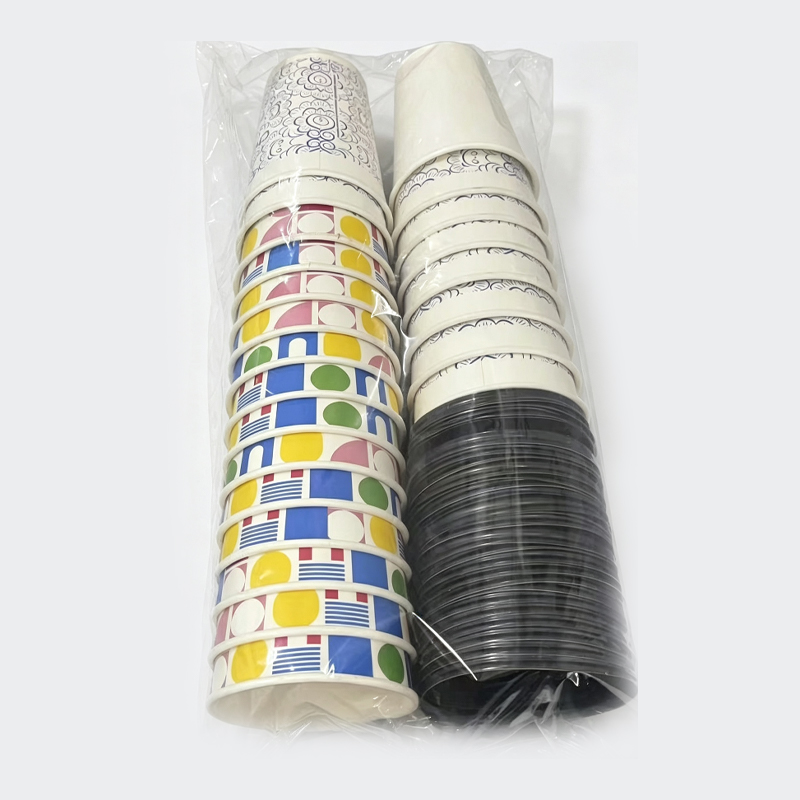
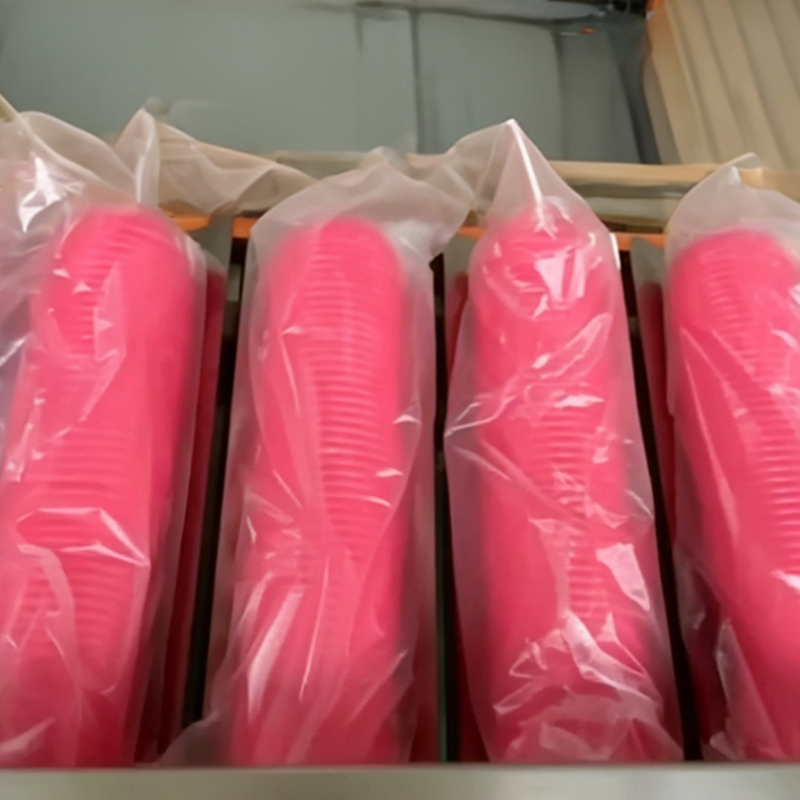
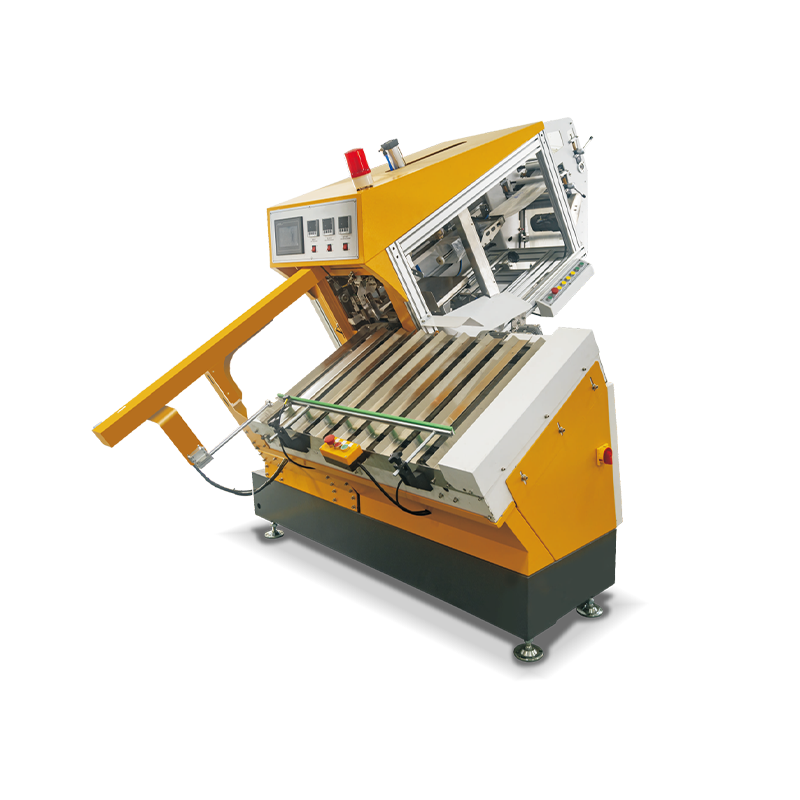
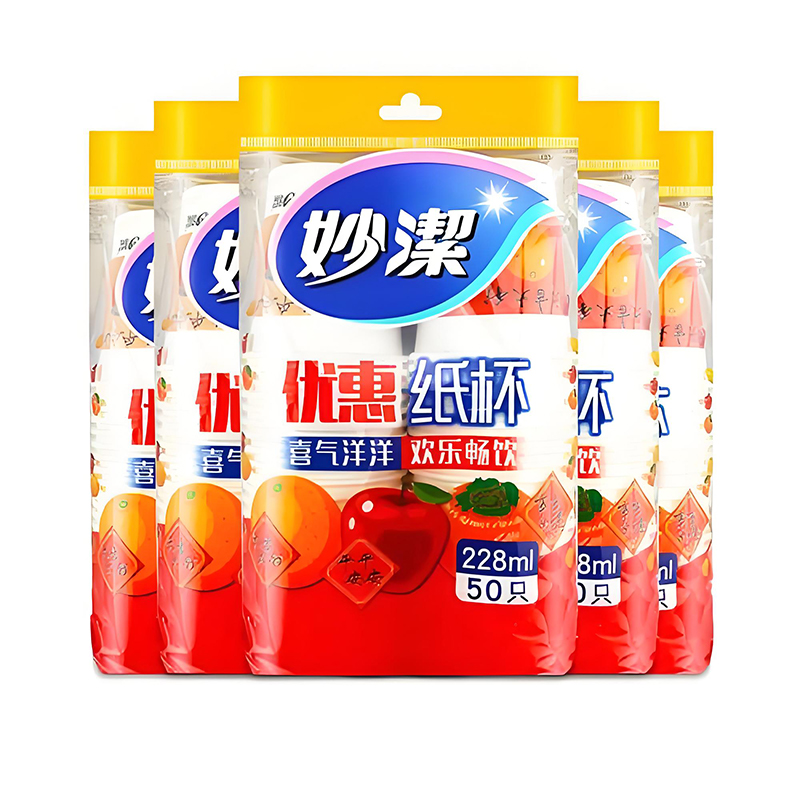
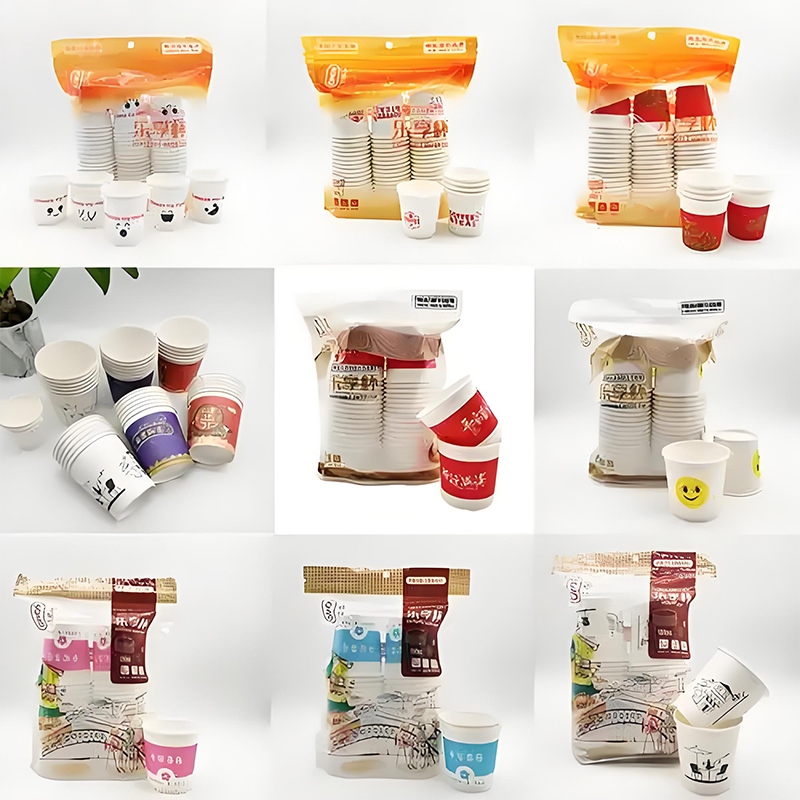
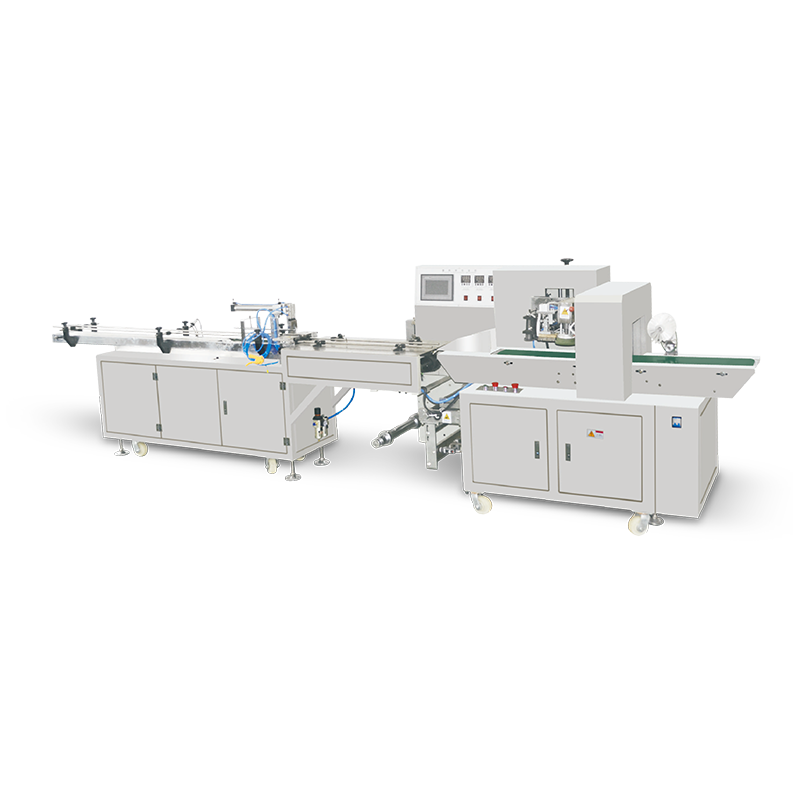
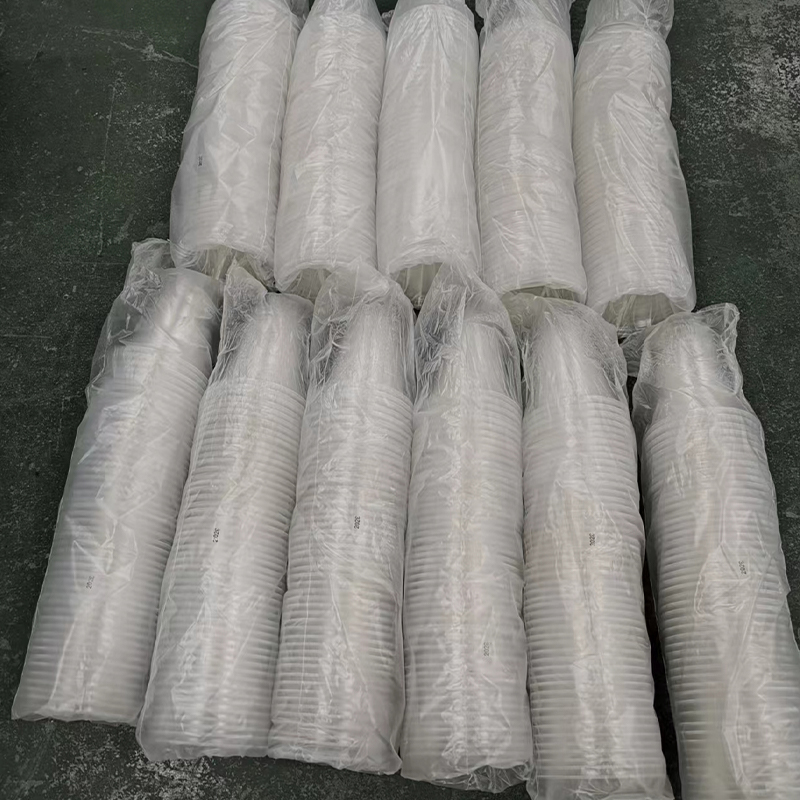
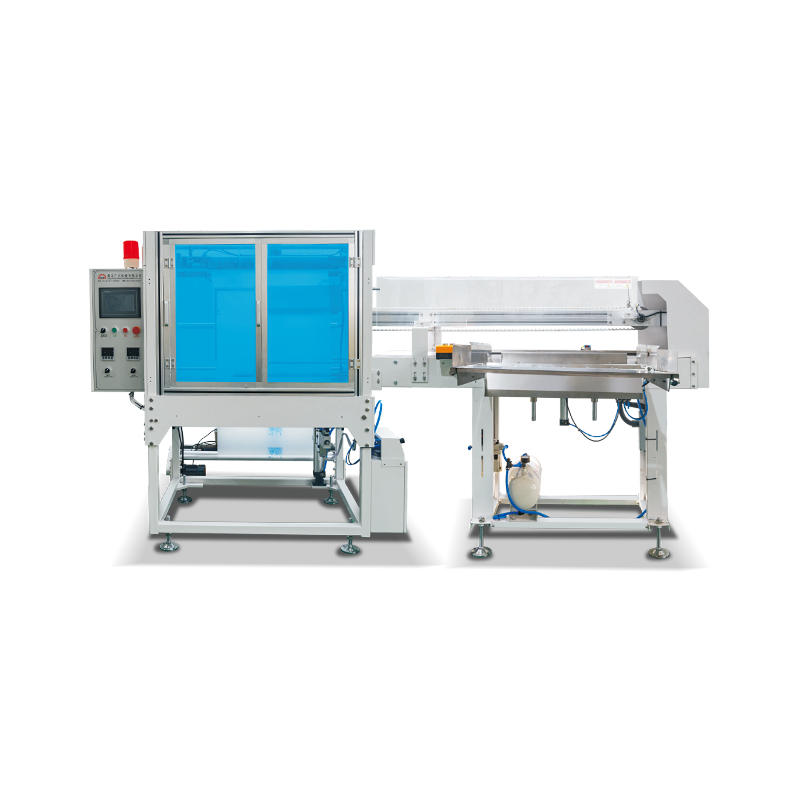
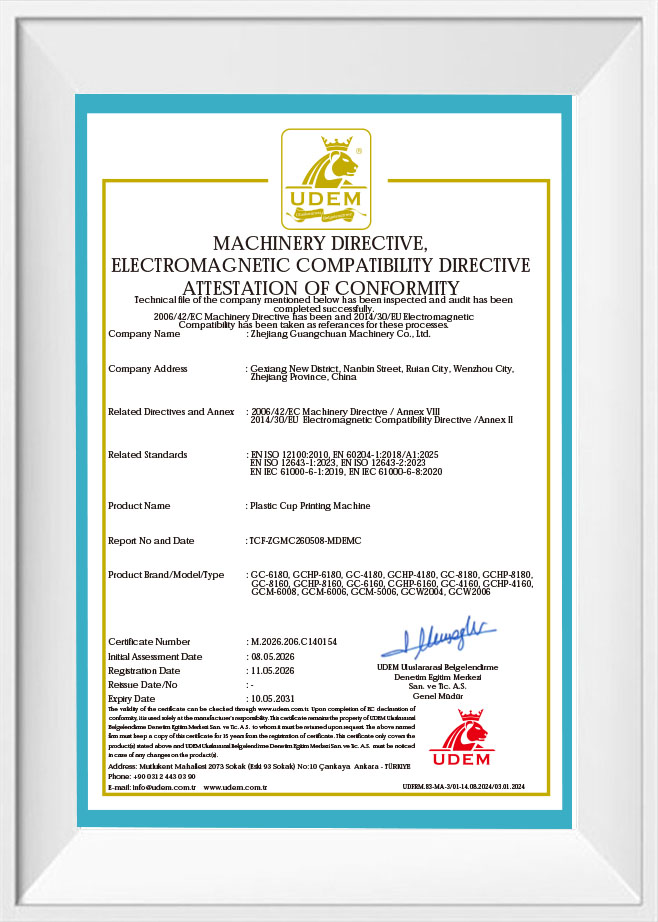
Plastic/Paper cup packaging machines are our earliest product, with 15 years of experience. One/Double Row counting packaging machines are suitable for counting and packaging disposable plastic cups/bowls, paper cups. Packaging quantities as per customer requirements. Vertical Drop Bag Packaging Machine features pneumatic cutters to save packaging film. Additionally, the automatic lid packaging machine is our newly developed product based on market demand.
Disposable Plastic Lid Packing Machine to package disposable flat and ball plastic lids, with adjustable packing quantities to fit custom business demands.
1. Equipped with servo-precise length contro...
Single Lane Cup Counting & Packaging Machine is designed for automatic counting and packaging of disposable injection-molded cups and bowls, paper cups, paper bowls, and other disposable catering ...
The Vertical-feed plastic cup packaging machine is designed for plastic cups with a 50–120mm diameter, adopting PE film as the primary packing material.
1.It achieves a packing speed of 10–30 bags pe...
Dedicated Exclusively to Perfecting Cup/Bowl Packaging & Curved Printing Machinery.
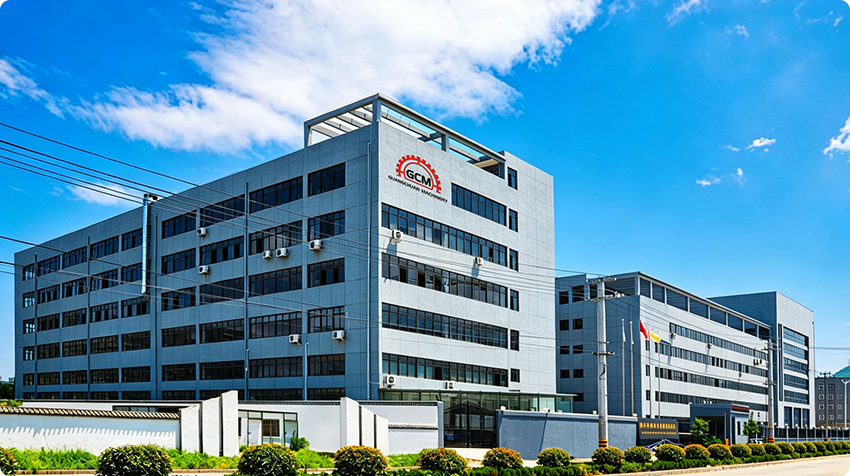
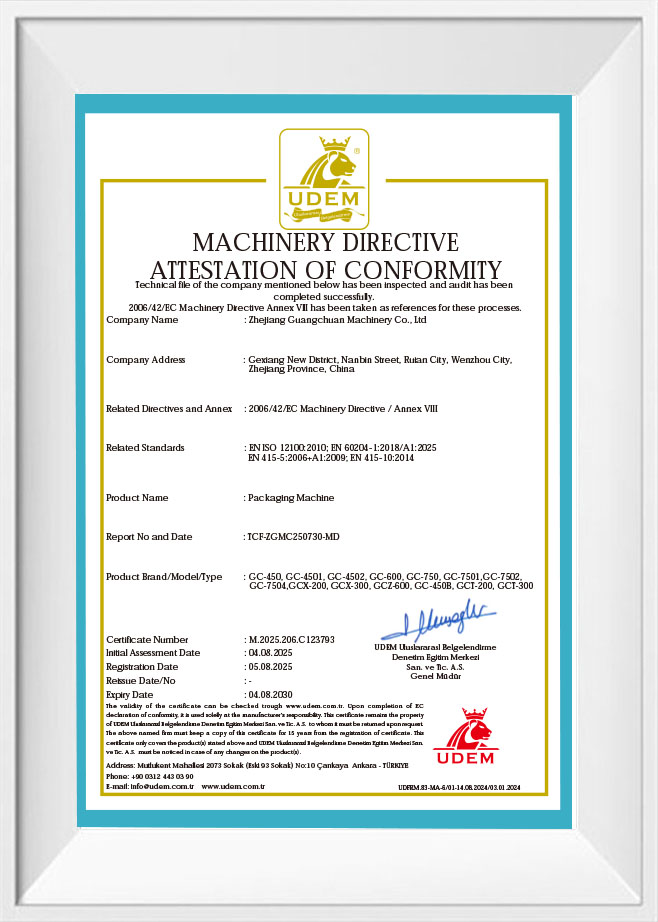
Zhejiang Guangchuan Machinery Co., Ltd.
is located in Ruian, Wenzhou. We specialize in cup/bowl packaging lines and curved printing machinery.
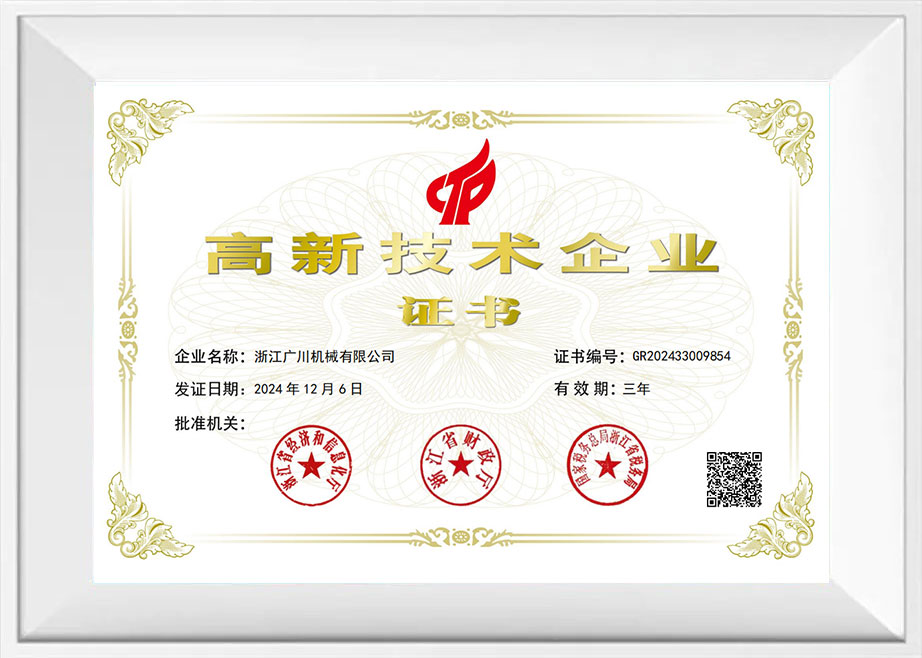
In 2021, we were awarded the title of "National High-tech Enterprise". Our products are exported worldwide and trusted for reliable quality,
stable performance, and convenient operation.
The first China (Ruian) International Printing & Packaging Industry Exhibition was successfully held from March 17 to 19, 2026, in Ruian, Wenzhou, Zhejiang Province. As one of China's major production bases for printing and packaging machinery, Ruian has established a complete industry chain covering pre-press, in-press, and post-press processes, characterized by high industrial agglomeration, strong supporting capabilities, and broad market coverage. The exhibition gathered leading enterprises from Ruian, quality companies from the Yangtze River Delta region, and numerous international brands, attracting buyers from over 20 countries and regions including France, Russia, India, and Saudi Arabia.
At the exhibition, Reginald, a buyer from South Africa, expressed his excitement: "I have been searching for this kind of production equipment across China since last year, and I am so surprised to see it at the exhibition today!" Having cooperated with Ruian companies for 7 years, he runs a trading company in Yiwu covering stationery, hamburger boxes, and packaging bags. He noted that traditional plastic cup printing is costly while ordinary paper cups are prone to leakage, but the paper cup packaging equipment developed by Ruian companies precisely addresses these industry pain points, achieving both quality and efficiency. He plans to sign contracts immediately after visiting the factories. Mayad, a buyer from Saudi Arabia, came to the exhibition seeking outer packaging equipment for razor products. After comparing multiple options, he highly recognized the equipment from a Ruian company and visited the factory on the same day with a clear intention to cooperate.
A highlight of this exhibition was the "Exhibition + Factory Visit" model. Unlike traditional exhibitions where visitors could only view displays, this model leveraged Ruian's strong industrial cluster advantages to create a one-stop procurement service chain. Buyers could observe cutting-edge equipment, exchange technical solutions, and negotiate cooperation intentions at the exhibition, then conveniently visit nearby manufacturing enterprises for on-site inspections to gain firsthand insight into production processes, R&D capabilities, smart manufacturing levels, and quality control systems. Miao Hanbing, Vice President of the Ruian Council for the Promotion of International Trade, stated that the "Exhibition + Factory Visit" model effectively combined the exhibition's role in centralized display and efficient lead generation with Ruian's unique advantages of local supporting facilities and on-site factory verification, shortening the procurement chain and improving matching efficiency.
The successful hosting of this exhibition not only demonstrated the international competitiveness of Ruian's printing and packaging machinery industry but also provided overseas buyers with an efficient window to gain in-depth understanding of "Ruian Smart Manufacturing." Industry analysts noted that Ruian is continuously expanding international cooperation channels, enabling more high-end printing and packaging equipment to reach global markets.
According to the Vacuum Thermoforming Machines Market Global Forecast 2026-2032 report released by 360iResearch, the global vacuum thermoforming machines market was valued at approximately USD 713.85 million in 2025 and is projected to grow to USD 787.66 million in 2026, with a CAGR of 12.04%, potentially reaching USD 1.58 billion by 2032.
Vacuum thermoforming remains a core manufacturing process for converting thermoplastic sheets into functional, high-volume components across industries including packaging, automotive, medical, and consumer electronics. The process is favored for its low tooling costs relative to other thermoplastic processes, fast cycle times, and capacity to handle diverse sheet materials. Recent upgrades to control systems and servo-driven motion have narrowed the gap between thermoforming and more capital-intensive technologies, enabling higher tolerances, quicker changeovers, and enhanced quality assurance.
The report indicates that automation, sustainability imperatives, and evolving customer expectations are reshaping the competitive landscape of the thermoforming industry. Automation has progressed from basic material handling to closed-loop temperature control, predictive maintenance enabled by sensor arrays, and integration with enterprise resource planning systems, enabling higher throughput with tighter tolerances while reducing scrap and unplanned downtime. Sustainability considerations are driving material choices and end-of-life planning, with recyclable grades and mono-material designs increasingly preferred in packaging and consumer products to meet regulatory pressures and retailer requirements. The medical and automotive segments demand stricter cleanliness, traceability, and validation processes, influencing machine selection, cleanroom compatibility, and documentation practices.
Regionally, buyers in the Americas emphasize speed to market and service responsiveness, favoring modular platforms that enable rapid SKU changeovers; the Europe, Middle East & Africa region is shaped by regulatory stringency and advanced recycling initiatives, with energy efficiency and emissions performance as priority attributes; the Asia-Pacific region presents diverse demand spanning cost-efficient high-volume platforms and early adoption of hybrid materials and integrated automation. The report concludes that equipment suppliers' strategic focus is shifting from standalone machine performance to comprehensive competitiveness encompassing service support, material compatibility, and lifecycle management.
According to the latest Paper-Plastic Packaging Machine Market Global Forecast 2026-2032 report released by 360iResearch, the global paper-plastic packaging machine market was valued at approximately USD 462.94 million in 2025 and is projected to reach USD 506.71 million in 2026, with a CAGR of 10.39%, potentially exceeding USD 925.26 million by 2032.
The report highlights that the paper-plastic packaging machine sector occupies a pivotal intersection between accelerating sustainability demands and the pragmatic realities of high-throughput manufacturing. Rising consumer expectations for recyclable and lower-carbon packaging have intensified pressure on brand owners and manufacturers, driving equipment suppliers to balance incremental innovation in conversion technologies with scalable automation and service models.
Significantly, tariff adjustments implemented by the United States in 2025 have produced cumulative operational and commercial consequences across the packaging machine value chain. Increased import duties and compliance requirements raise landed costs for foreign-sourced equipment, prompting many buyers to accelerate qualification of domestic or regional suppliers, even when unit costs remain higher, due to shorter lead times, lower logistics risk, and simplified warranty and service engagements. Common responses include dual-sourcing strategies, nearshoring of critical subsystems, and incremental localization of assembly activities.
The report also emphasizes that materials innovation is reshaping equipment requirements, as paper-based substrates and paper-plastic composites present different forming, sealing, and handling dynamics compared with traditional thermoplastics, requiring new machine configurations and tailored tooling. Furthermore, automation and integrated controls are redefining equipment purchasing criteria, with ease of changeover, data interoperability, and remote diagnostics now central selection factors. The report provides systematic insights from technology choices to supply chain optimization for packaging equipment manufacturers and end-users alike.