 English
 中文简体
中文简体 Español
 عربى
عربى

Printed plastic cups are widely used for beverages, takeaway services, promotional campaigns, and branded food packaging. For manufacturers, producing cups with clear graphics and consistent positioning can be challenging because the printing surface is curved and the cup dimensions may vary between product specifications. When colors shift, logos appear uneven, or ink adhesion is inconsistent, the result can affect product presentation and increase the need for rework. Understanding how machine setup, cup compatibility, and process control work together helps buyers make more informed equipment decisions.
Match the Machine to the Cup Design
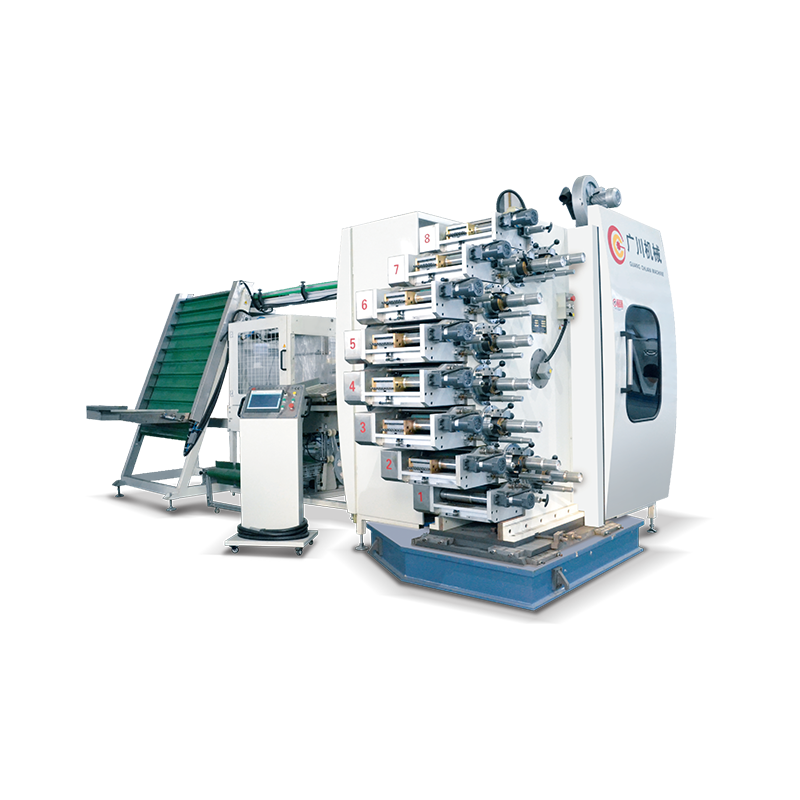
Not every printing machine is suitable for every cup shape or size. Cup diameter, height, taper, material, and available printing area all influence how the cup should be positioned and rotated during printing.
Before selecting equipment, buyers should prepare the dimensions of their target cups and clarify whether production will involve one standard size or frequent changes between different specifications. The required print area and artwork complexity should also be considered.
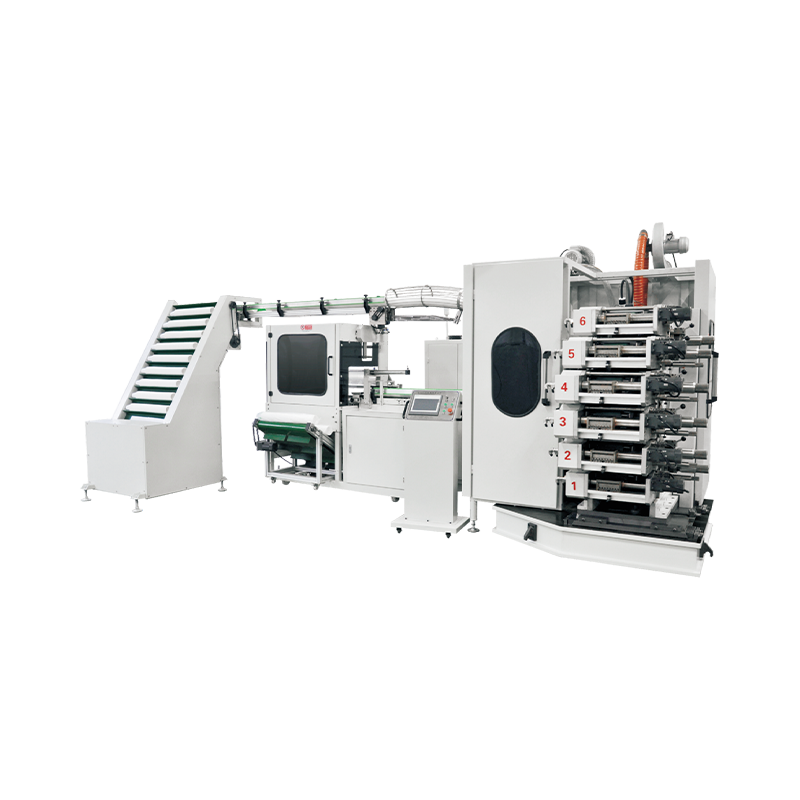
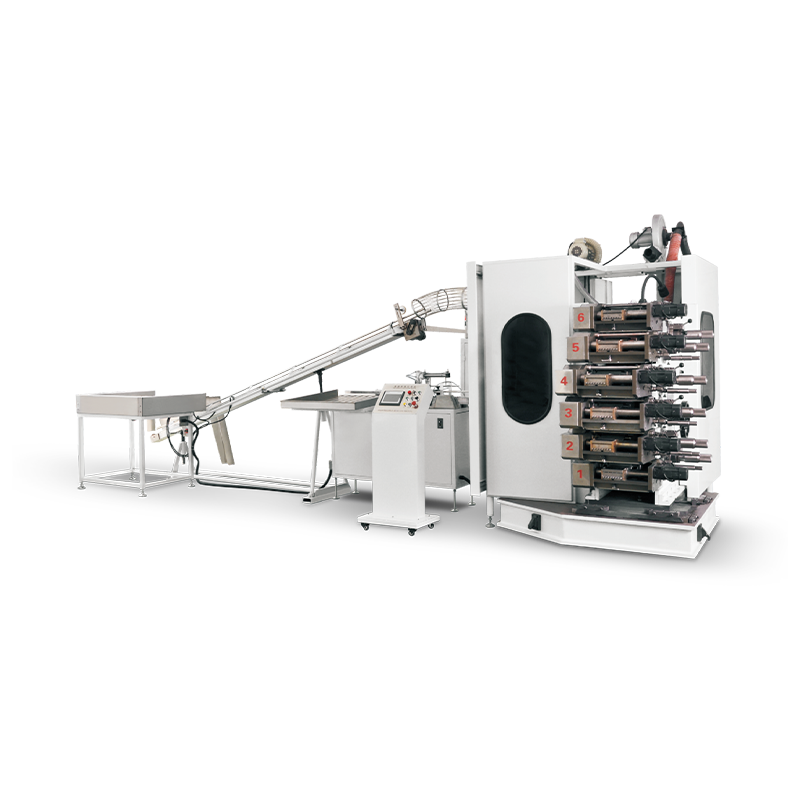
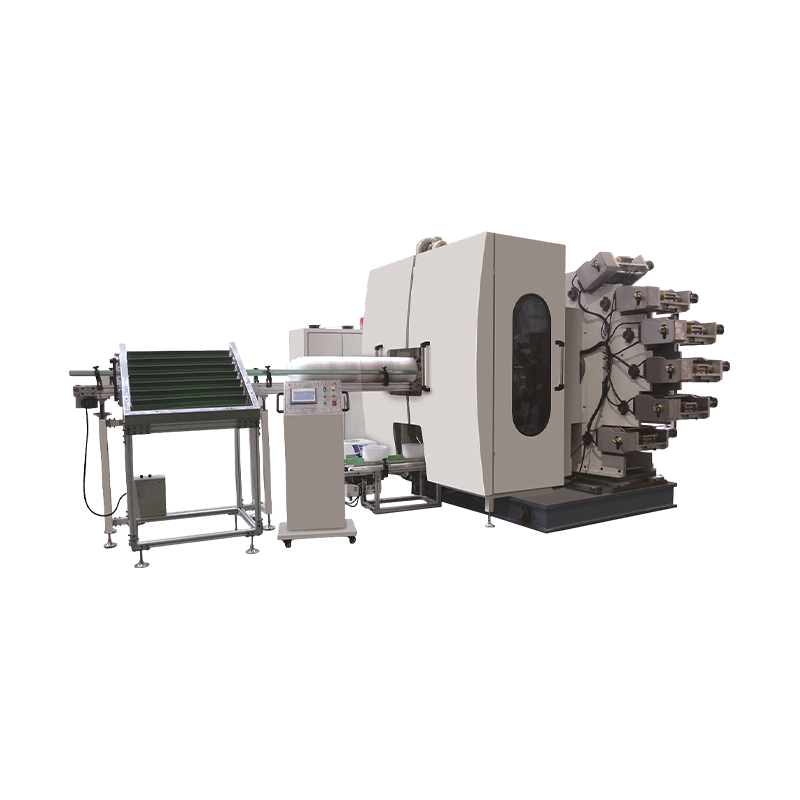
A Plastic Cup Printing Machine Manufacturer can use this information to evaluate the appropriate machine configuration, feeding arrangement, and printing method. Confirming compatibility before purchase helps avoid costly adjustments after installation.
Control Print Position on Curved Surfaces
Unlike flat packaging, a plastic cup presents a curved surface that can make artwork alignment more demanding. Incorrect cup positioning, inconsistent rotation, or unsuitable setup parameters may cause logos and text to appear tilted, stretched, or displaced.
Operators should establish clear reference points for cup loading and artwork placement. During setup, sample cups can be printed and checked from multiple angles to confirm that the design sits within the intended area.
For production involving several cup sizes, each specification should have its own verified setup parameters where necessary. Documenting approved settings helps reduce repeated trial and adjustment when the same product returns to the production schedule.
Improve Color and Image Consistency
Color variation may arise from differences in ink preparation, printing conditions, surface characteristics, or machine settings. Small changes can become noticeable when a large batch of cups is displayed together.
Manufacturers should define the required colors and artwork references before production begins. Buyers can provide approved artwork files, color references, and sample expectations to establish a common standard.
Useful quality checks include:
- Comparing printed colors with the approved reference
- Inspecting text and graphic edges for smearing or incomplete transfer
- Checking whether the design remains correctly positioned
- Looking for scratches, ink spots, or unintended marks
- Reviewing samples from different stages of the production run
The exact inspection method depends on the printing technology, ink system, and product requirements.
Confirm Ink Adhesion and Material Compatibility
A design may look correct immediately after printing but still fail to meet expectations if the ink does not bond adequately with the cup surface. Plastic materials differ in their surface characteristics, and ink performance depends on compatibility with the substrate and the printing process.
Before mass production, buyers and manufacturers should confirm the cup material and the specified ink system. Where required, surface treatment and curing conditions should be evaluated according to the equipment and ink manufacturer's instructions.
A practical sample test can help identify adhesion problems before a full production run. The acceptance method should reflect the cup's intended handling and use, rather than relying on visual inspection alone.
Make Changeovers Easier to Manage
Cup manufacturers may need to switch between different sizes, colors, and artwork designs. If changeovers require extensive manual adjustment, production planning becomes more complicated and the risk of setup errors may increase.
Buyers should therefore evaluate how the machine handles cup positioning, tooling changes, parameter adjustment, and access to key components. The actual changeover process should be demonstrated with representative cup specifications whenever possible.
For a production line serving multiple orders, storing approved setup records and identifying the correct tooling for each cup can help operators prepare repeat jobs more consistently. This is especially useful when designs return after an interval or when several operators share the same equipment.
Include Maintenance in Production Planning
Printing quality can change as components become dirty, worn, or incorrectly adjusted. Ink buildup, residue on contact surfaces, worn fixtures, and neglected moving parts may contribute to unstable feeding or inconsistent printing.
A practical maintenance routine should follow the machine's operating instructions and include suitable cleaning, inspection, lubrication where specified, and checks of relevant positioning components. Operators should also monitor unusual vibration, feeding interruptions, and changes in print quality.
Addressing these signs early can help prevent minor operating issues from affecting a larger batch. Maintenance access and the availability of suitable replacement parts are therefore useful considerations when comparing machines.
Evaluate the Complete Production Requirement
Choosing printing equipment involves more than comparing rated speed or the number of colors. Cup dimensions, artwork requirements, material compatibility, changeover frequency, inspection procedures, and maintenance access all affect whether a machine fits the intended production environment.
A Plastic Cup Printing Machine Manufacturer can provide a more relevant recommendation when buyers share their cup samples, drawings, printing requirements, expected output, and production plans. By validating these details before ordering, manufacturers and procurement teams can establish a clearer basis for machine selection, reduce avoidable setup problems, and work toward consistent printed results across repeat production batches.