 English
 中文简体
中文简体 Español
 عربى
عربى

Plastic cup producers often need to manage different customer designs, cup dimensions, print colors, and order quantities within the same production schedule. A machine configured for one standard product may not be equally convenient when the next order requires a different cup size or artwork layout. For manufacturers serving multiple markets, the challenge is to balance production efficiency with print quality while avoiding unnecessary setup work and material waste. Choosing equipment that fits the actual order pattern can make production planning more manageable.
Evaluate the Variety of Cup Specifications
Before purchasing printing equipment, manufacturers should review the range of cups they expect to produce. Diameter, height, taper, material, and printable surface area can all affect machine compatibility. A business handling several cup sizes may need a different configuration from one producing a single specification in long runs.
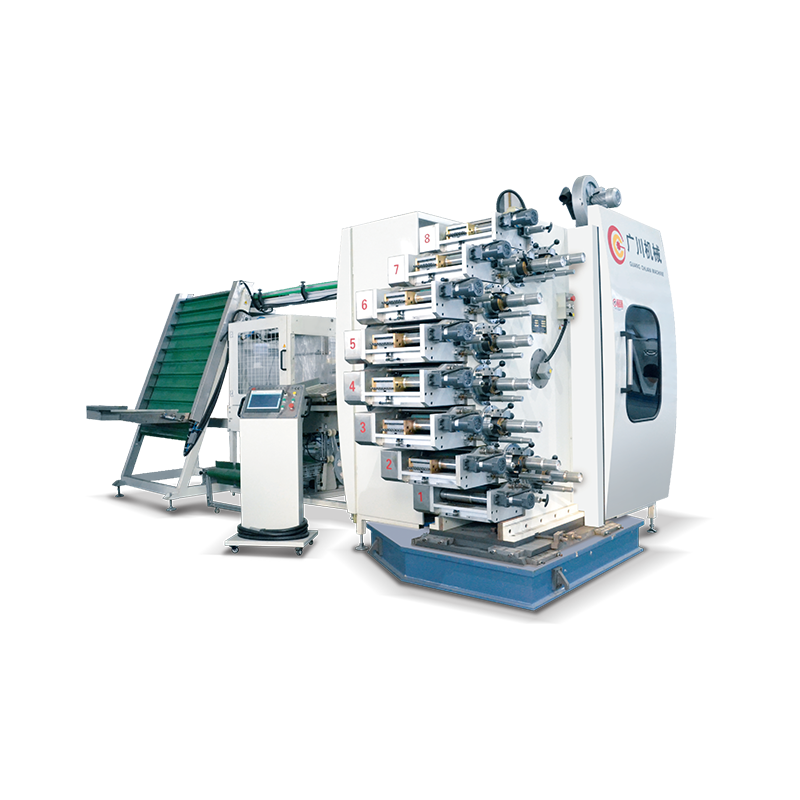
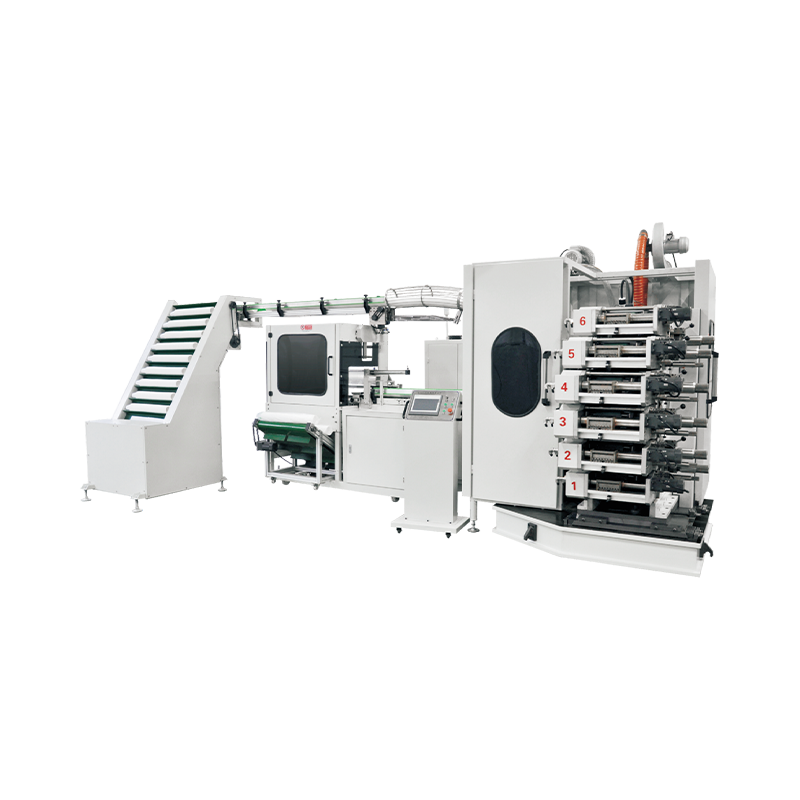
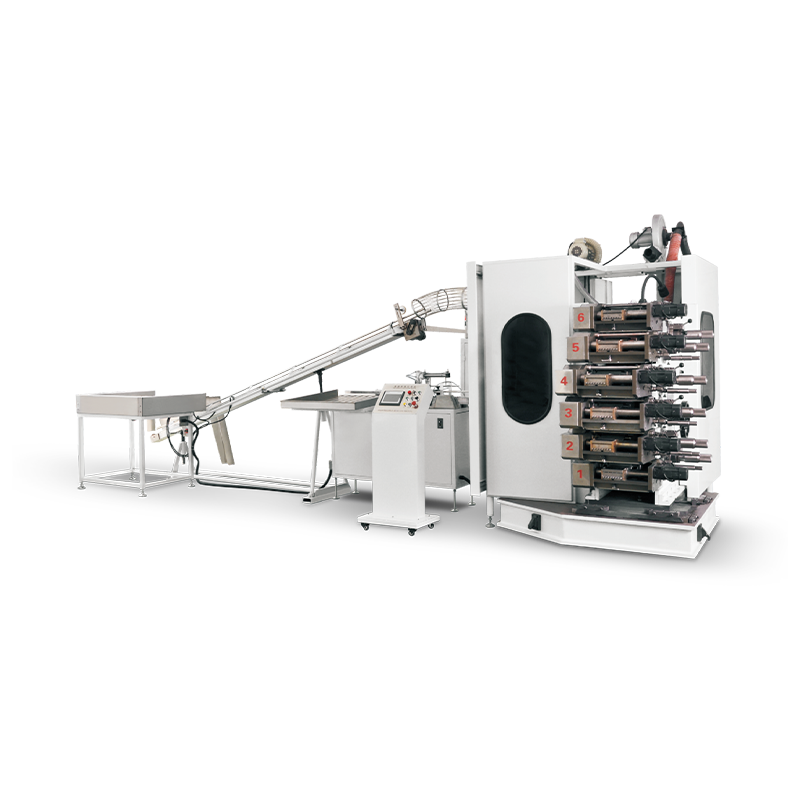
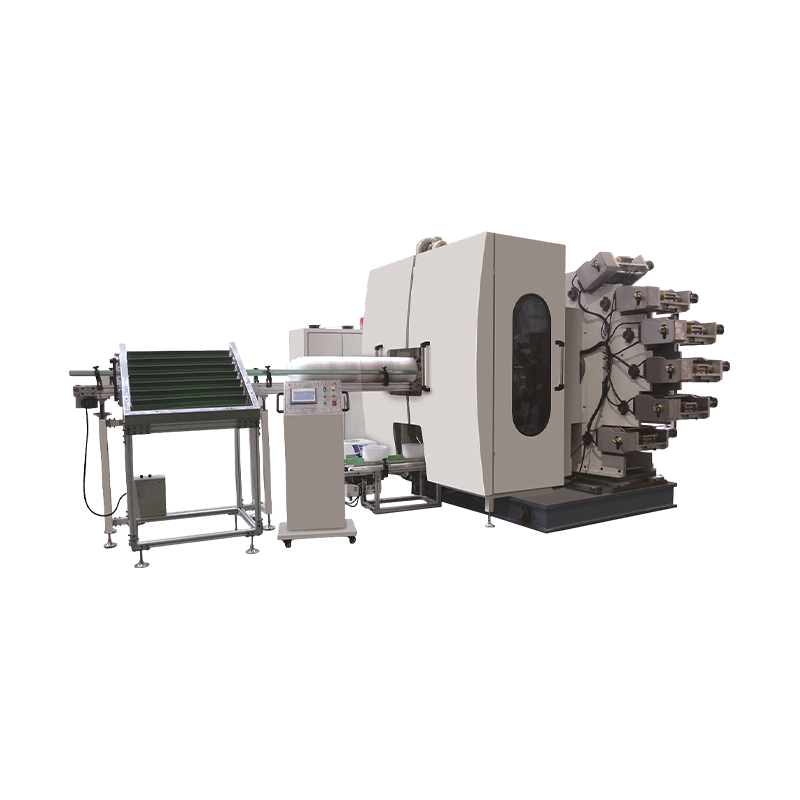
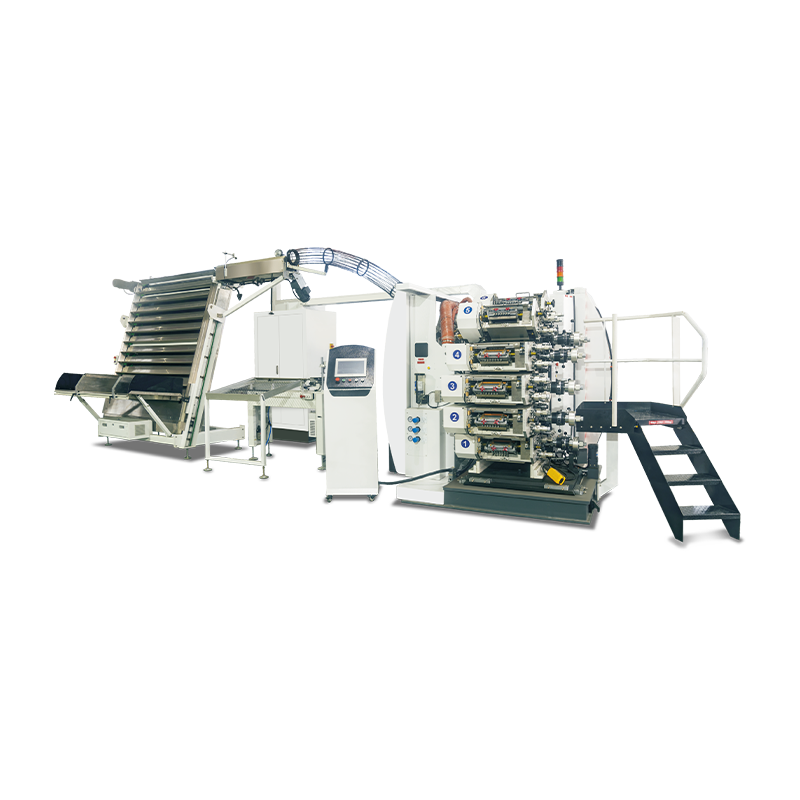
A Plastic Cup Printing Machine Manufacturer can assess these requirements using cup samples, drawings, and artwork files. Buyers should identify both their current products and any realistic plans to introduce additional sizes or designs.
This information helps determine which adjustments may be required between jobs and whether the proposed machine can accommodate the intended product range without extensive modification.
Make Changeover Procedures Easier to Repeat
Changing from one cup specification to another may involve adjustments to fixtures, feeding components, printing positions, or machine parameters. If these tasks depend entirely on operator experience, setup results may vary between shifts.
A more repeatable changeover process begins with clearly identified adjustment points and documented settings for each approved product. Where the machine design allows it, accessible adjustment mechanisms and organized tooling can make preparation easier.
Manufacturers should demonstrate the changeover process using representative cup sizes rather than describing flexibility only in general terms. Buyers can observe which components need to be changed, which settings require recalibration, and how the first acceptable samples are verified.
Prepare Artwork Before the Production Run
Artwork preparation can influence both setup time and print accuracy. Incorrect dimensions, unsuitable positioning, or incomplete design files may create problems even when the machine itself is operating correctly.
Before production, buyers should provide the final artwork, confirm the intended print area, and verify the orientation of logos, text, and graphics. The manufacturer can then review whether the design suits the cup geometry and the machine's printing method.
For repeat orders, retaining approved artwork files and sample references helps prevent avoidable differences between production runs. Changes to a design should be reviewed before printing begins, rather than introduced during an active run without validation.
Balance Production Speed With Print Quality
A higher operating speed does not automatically produce a more efficient result if it leads to frequent adjustments or excessive rejected cups. The appropriate production rate depends on the machine configuration, cup material, artwork complexity, ink system, and other process conditions.
During equipment evaluation, buyers should examine both output and quality. Useful observations include print registration, color consistency, ink transfer, feeding stability, and the frequency of operator intervention.
A representative production trial provides a more realistic basis for evaluating performance than an isolated speed claim. It also helps identify whether the proposed configuration suits the buyer's normal order mix.
Reduce Waste During Setup and Product Changes
Setup waste can occur when operators need several attempts to achieve the required print position or color appearance. Frequent product changes may increase this challenge, particularly when each job uses different artwork or cup dimensions.
Manufacturers can help reduce unnecessary trials through clear setup instructions, approved reference samples, and a defined first-piece inspection process. Operators should verify cup positioning and print quality before allowing the job to continue at its intended production rate.
Buyers should also clarify how much setup material may be needed during a typical changeover and whether machine settings can be recorded for future use. Actual waste levels depend on the process and should be evaluated during testing rather than assumed from the machine design alone.
Consider Operator Access and Daily Maintenance
Frequent order changes make practical machine access especially important. Operators need to reach adjustment points, inspect printed cups, remove residues, and complete routine cleaning without unnecessary difficulty.
When comparing equipment, buyers should review the layout of controls, access to printing components, cleaning procedures, and the maintenance tasks required between jobs. The availability of clear operating documentation can also support training when new staff join the production team.
Regular maintenance helps keep the machine in suitable operating condition, while consistent cleaning and inspection can reduce the risk of residue affecting subsequent designs.
Define Flexibility Requirements Before Ordering
Flexible production depends on a match between the machine and the manufacturer's real workload. Buyers should provide a list of cup sizes, materials, artwork types, expected order frequency, and desired production output before confirming the equipment configuration.
A Plastic Cup Printing Machine Manufacturer can use this information to recommend suitable tooling, adjustment arrangements, and testing procedures. By validating product changes, print quality, and setup requirements before delivery, buyers can make a more informed investment and prepare their production lines for changing customer orders without sacrificing consistency.